


.jpg)
At our studio, we specialize professionally in architectural project presentation. For us, this is an ongoing journey of exploration. We study presentation tools, experiments, and look for new ways to engage the viewer. In our previous article, we broke down each of the services we work with in detail: each is uniquely interesting and effective in solving specific tasks.
However, we are now captivated by a deeper question. How can we achieve that magical effect where a person, looking at an architectural 3D visualization or 3D animation, suddenly sees a piece of cinema? How do we make them mentally travel through time, find themselves in that exact point in space, "try on" a new lifestyle, and immerse themselves in a unique experience? We want to create a visual narrative that compels the viewer to move past passive consumption of content and take action: to desire to live this experience in real life and touch the physical object.
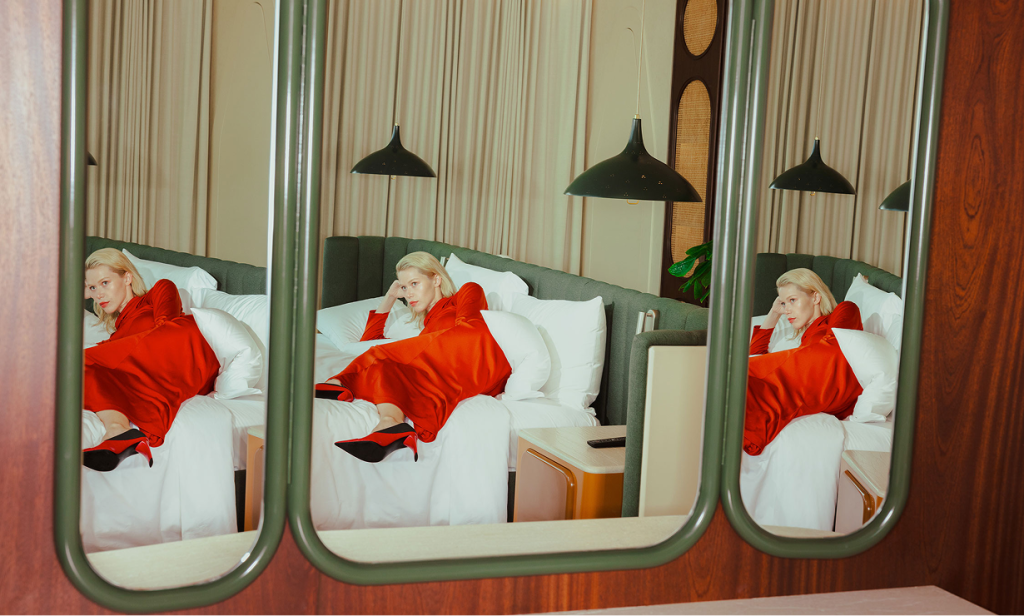
How do we construct such a living experience? While working on the California project, we found inspiration in the world of high fashion — specifically, in large-scale campaigns where fashion actively interacts with architecture and interior design.
What kind of effect is born at the intersection of these two industries, and how can it be integrated into commercial real estate presentations? To explore this topic, one needs only to look at two powerful examples that demonstrate how the interplay between fashion and space creates entirely new meanings:

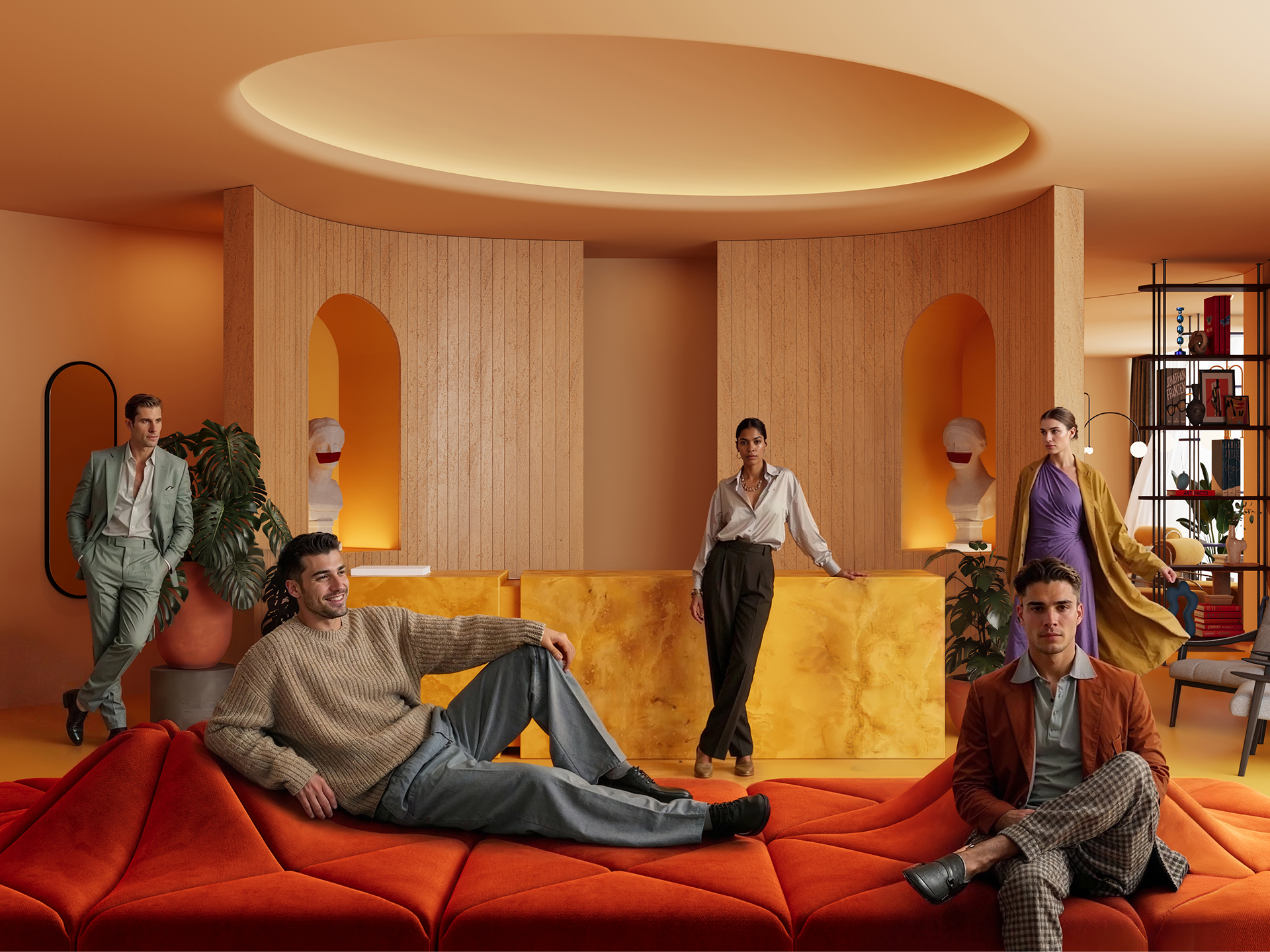
This project is an example of synergy between fashion and real estate. Instead of the usual static renders, we see a cohesive brand philosophy where architecture becomes an extension of the residents' wardrobe, lifestyle, and identity.

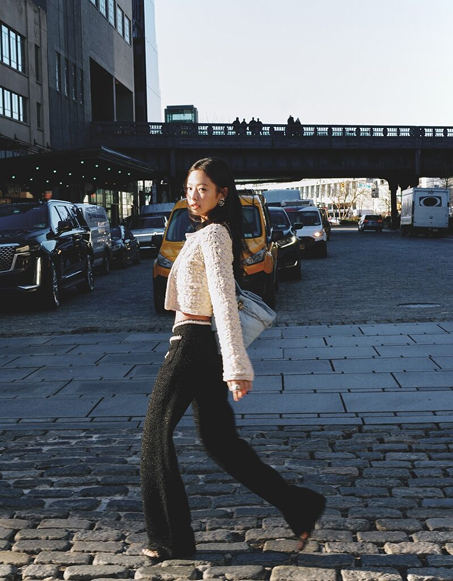
The Chanel fashion film featuring Jennie Kim inspired the idea of human-city interaction. In this video, the city acts as a main character that dictates the rules of the game: it defines how the characters move, how the light falls, and how the plot unfolds. Architecture here frames the human presence, while the human, in turn, brings scale, emotion, tempo, and direction of movement to the space.
The Chanel fashion film featuring Jennie Kim inspired the idea of human-city interaction. In this video, the city acts as a main character that dictates the rules of the game: it defines how the characters move, how the light falls, and how the plot unfolds. Architecture here frames the human presence, while the human, in turn, brings scale, emotion, tempo, and direction of movement to the space.

Looking at these examples, we realized this is a fantastic way to present a project, and we wanted to move from research to creating our own concept. As it began to take shape, it became obvious that Los Angeles is the ultimate foundation for a story about the interaction of spaces, people, and fashion. Why LA? After all, it isn't a fashion capital. But it is certainly the city most associated with cinema and Hollywood. To bring our idea to life, it was crucial to find a space that would provide this exact cinematic effect — and here, every building feels like a movie set.
Its unique cinematic light, urban density, and visual culture create an environment where architecture naturally and effortlessly interacts with image and identity. Here, the atmosphere itself inspires the creation of visual personas.
The buildings in our project are modern, graphic, and precise, while the interiors are expressive, bold, and built on complex color solutions. LA gave us the right rhythm, energy, and the perfect bold attitude for the entire visual sequence.
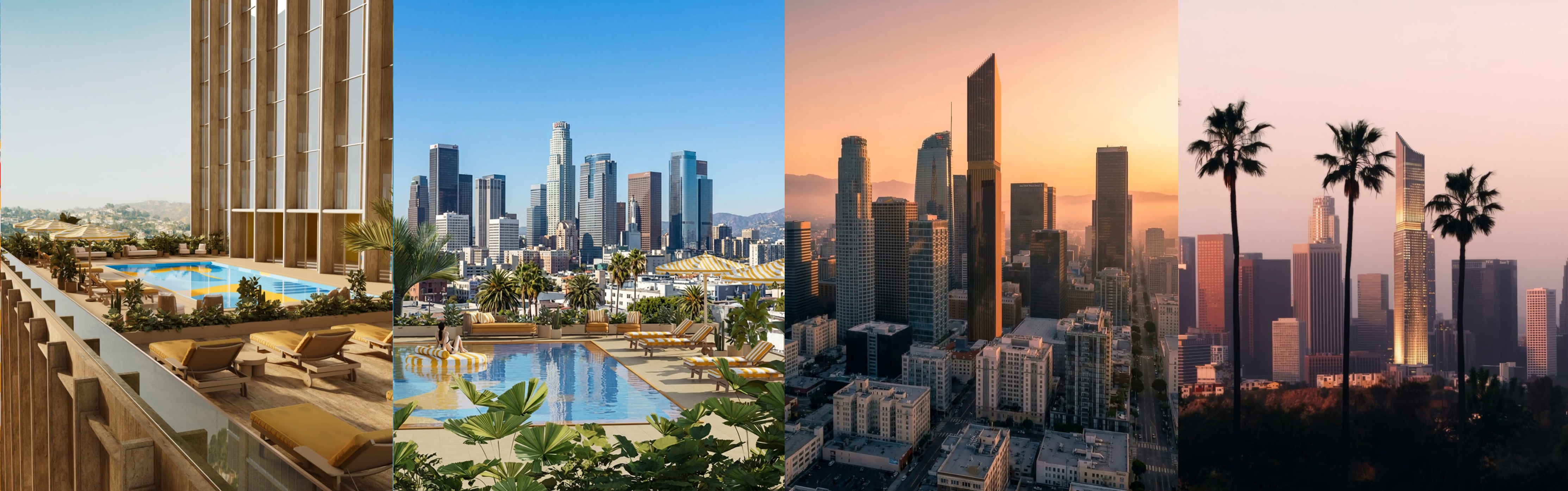
The concept unfolds through a sequence of frames where the city becomes the first and main character:
The environment speaks first: The city sets the tone before anything even begins. Glass towers catch the last rays of the setting sun, and the streets maintain a sharp, rhythmic pace. Everything is in perfectly calibrated motion: cars drive by, reflections shift in shop windows, and pedestrians move. This system is already alive, and it is already playing its part.
The street transforms the moment a person steps onto it: Sidewalks turn into trajectories, facades become monumental backdrops, and ordinary movement becomes intentional and emphasized. Each figure cuts through the city with a specific purpose and direction. Clothing catches the sun's glints, human silhouettes rhyme with the vertical lines of skyscrapers, and the rhythm of walking begins to resemble a precise choreography. People move in unison with the city, tapping into its frantic pace, its structure, and its pure energy.
This is a reference to those unique moments in fashion history (especially in Chanel shows) when architecture suddenly burst into fashion runways, turning the catwalk into a separate universe. Or vice versa — when a couture show was taken directly to the city streets or into the wilderness. When fashion goes outside and merges with grand architecture, a completely different feeling emerges: it feels as though high art becomes closer, more tangible.
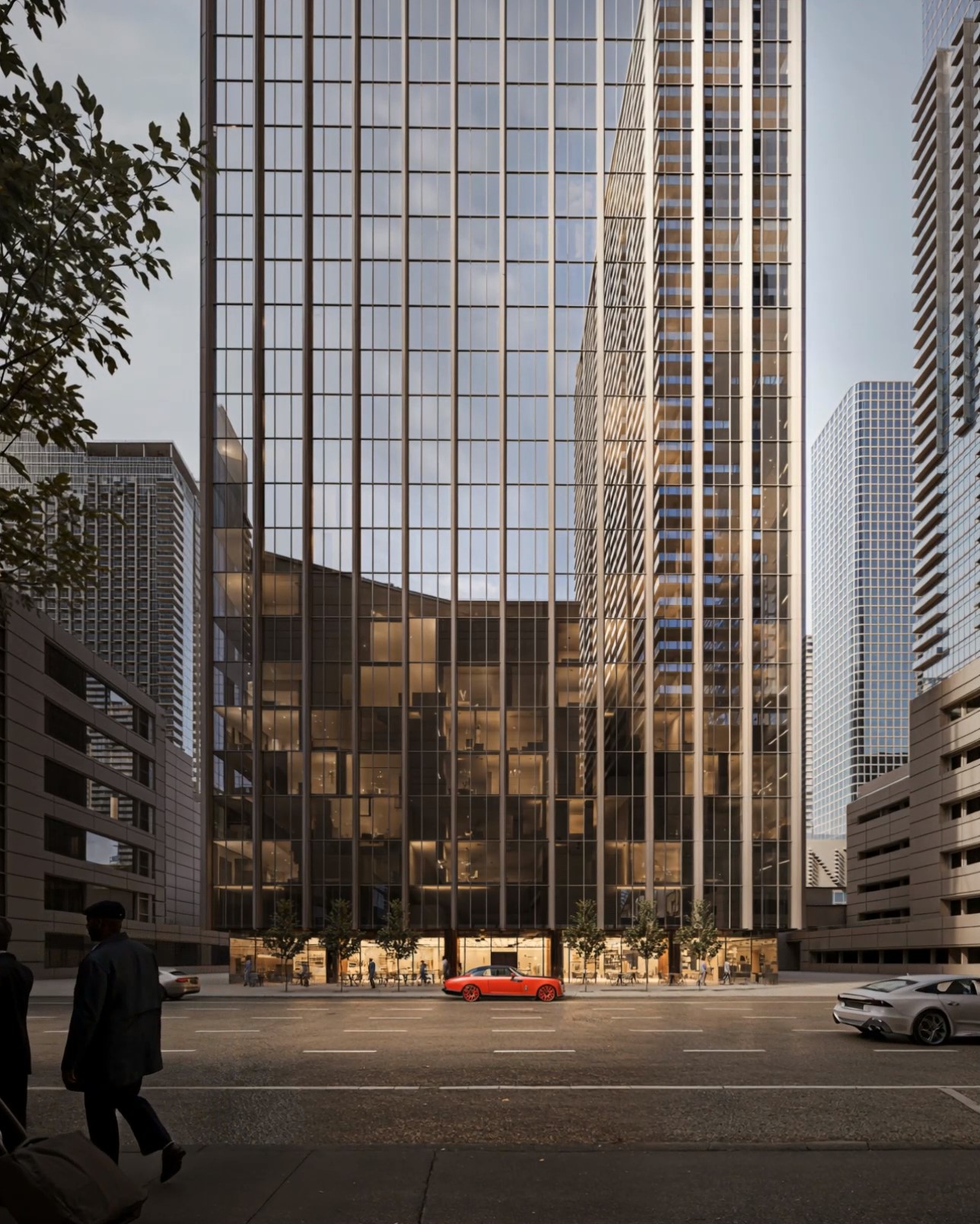
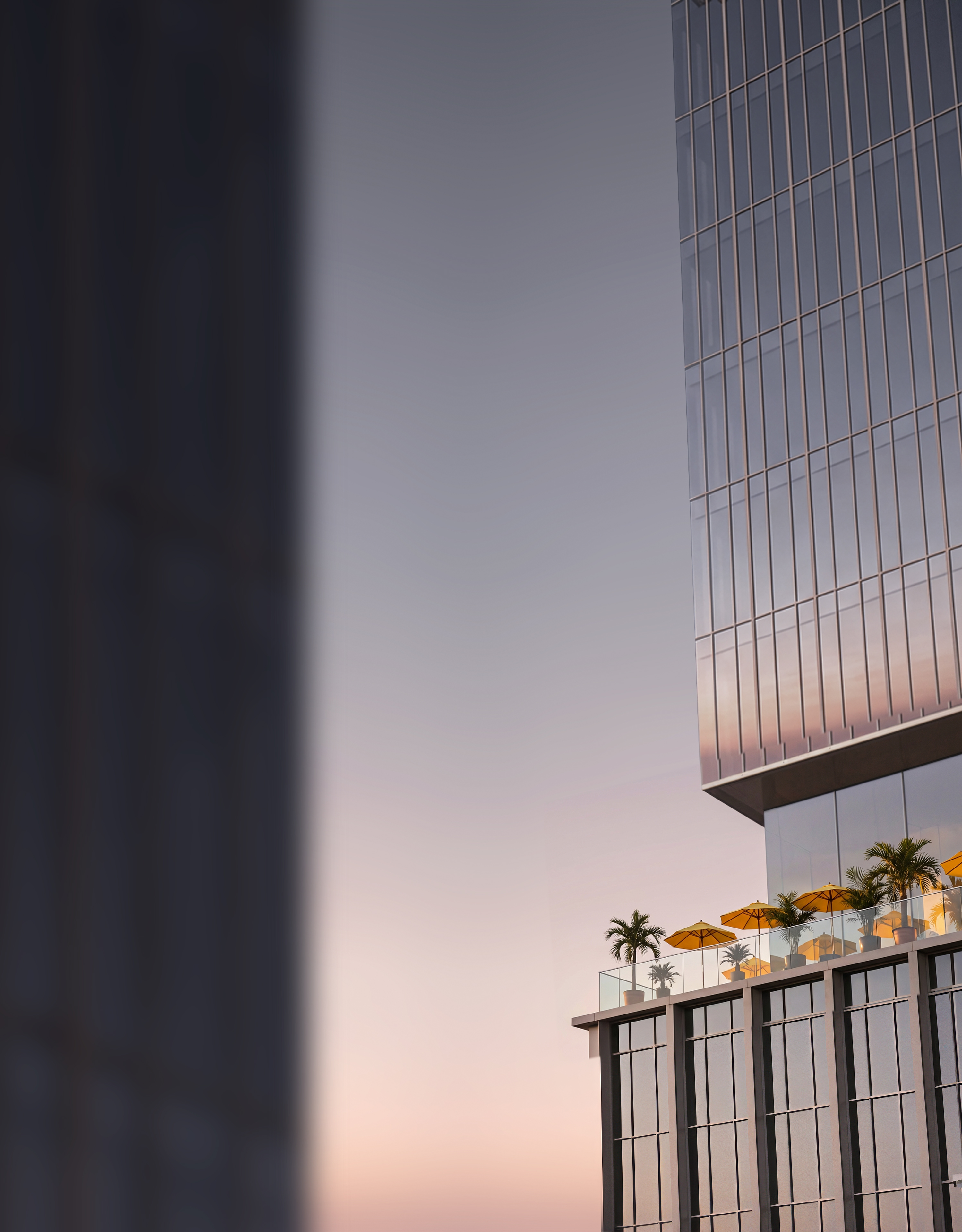
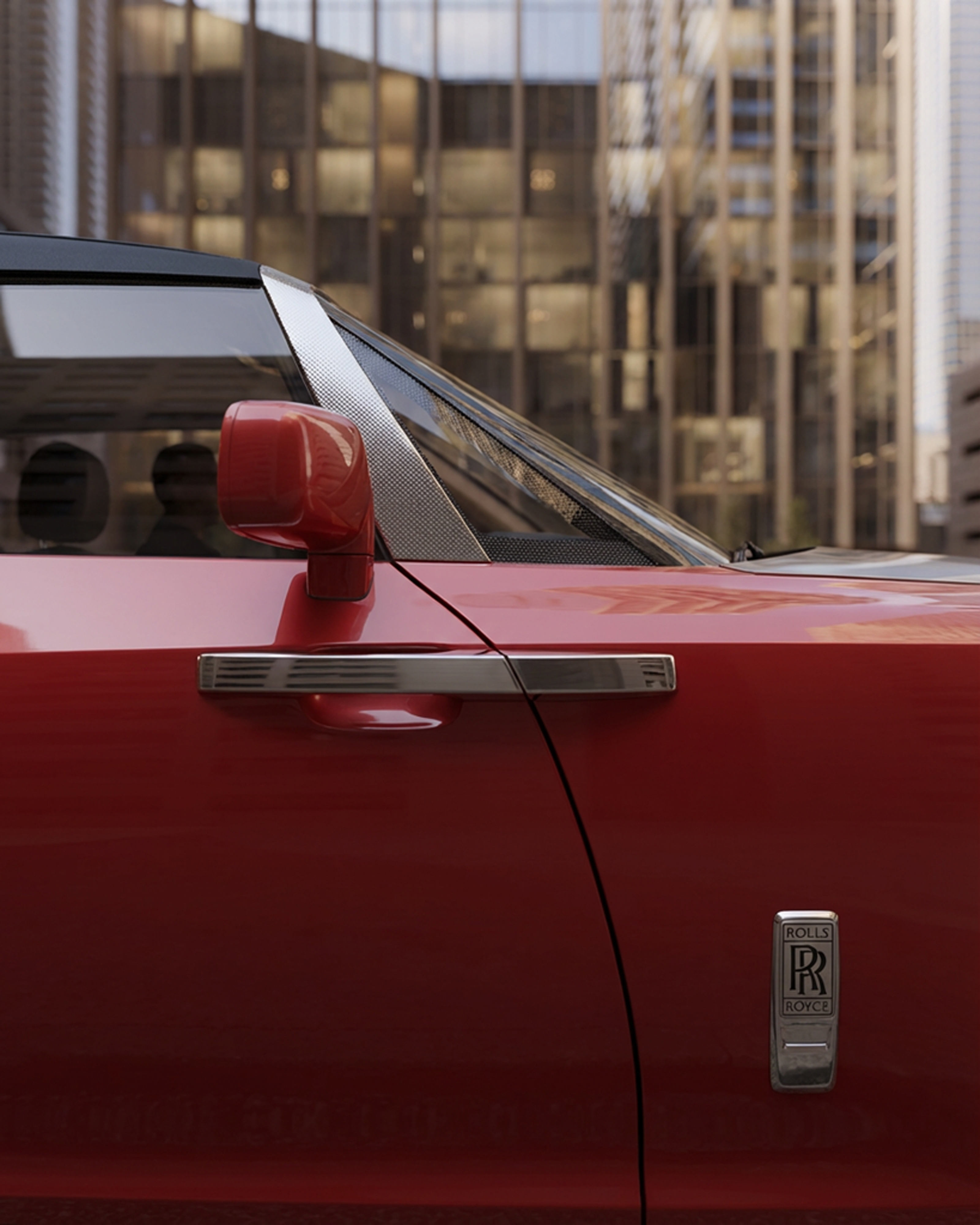
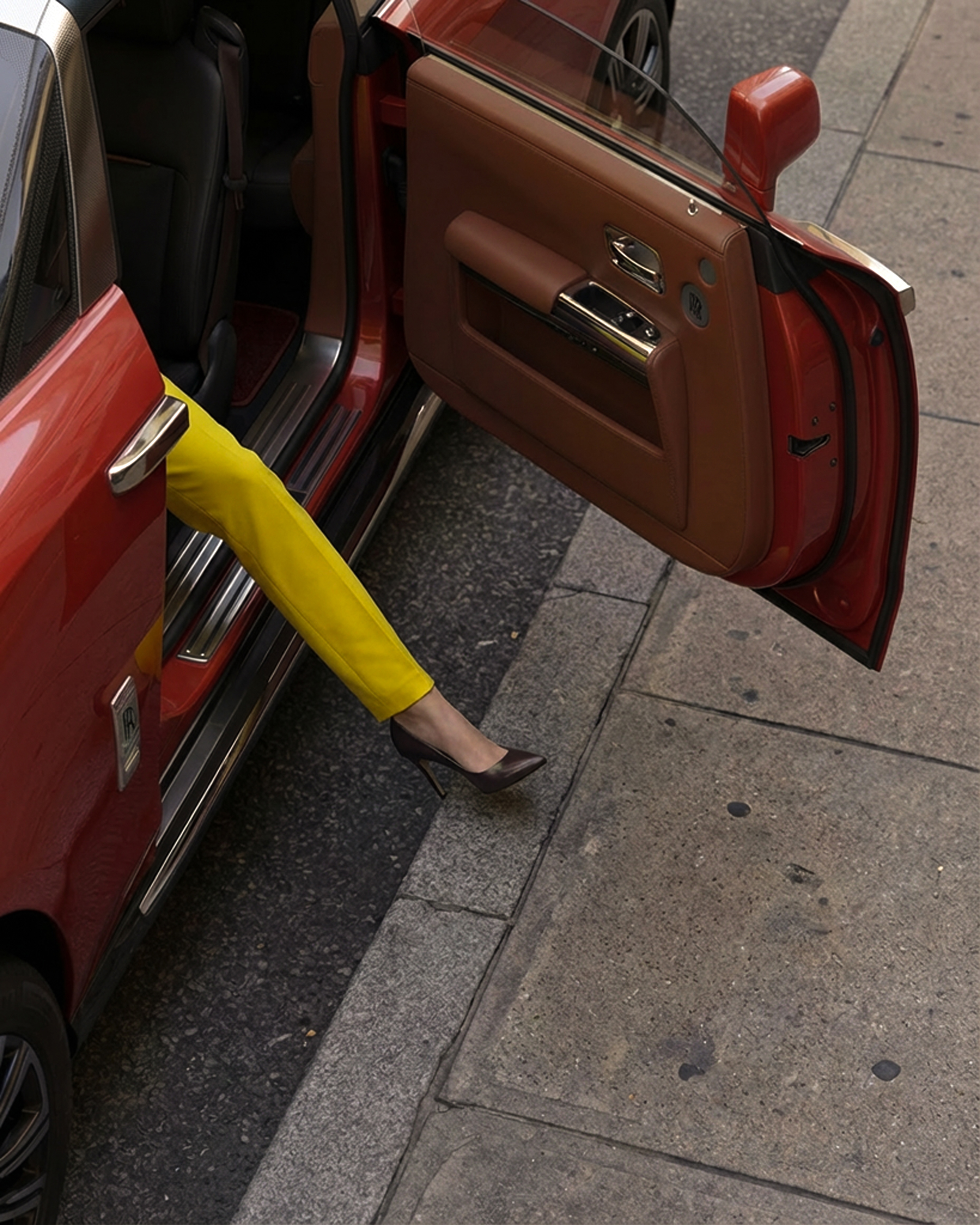
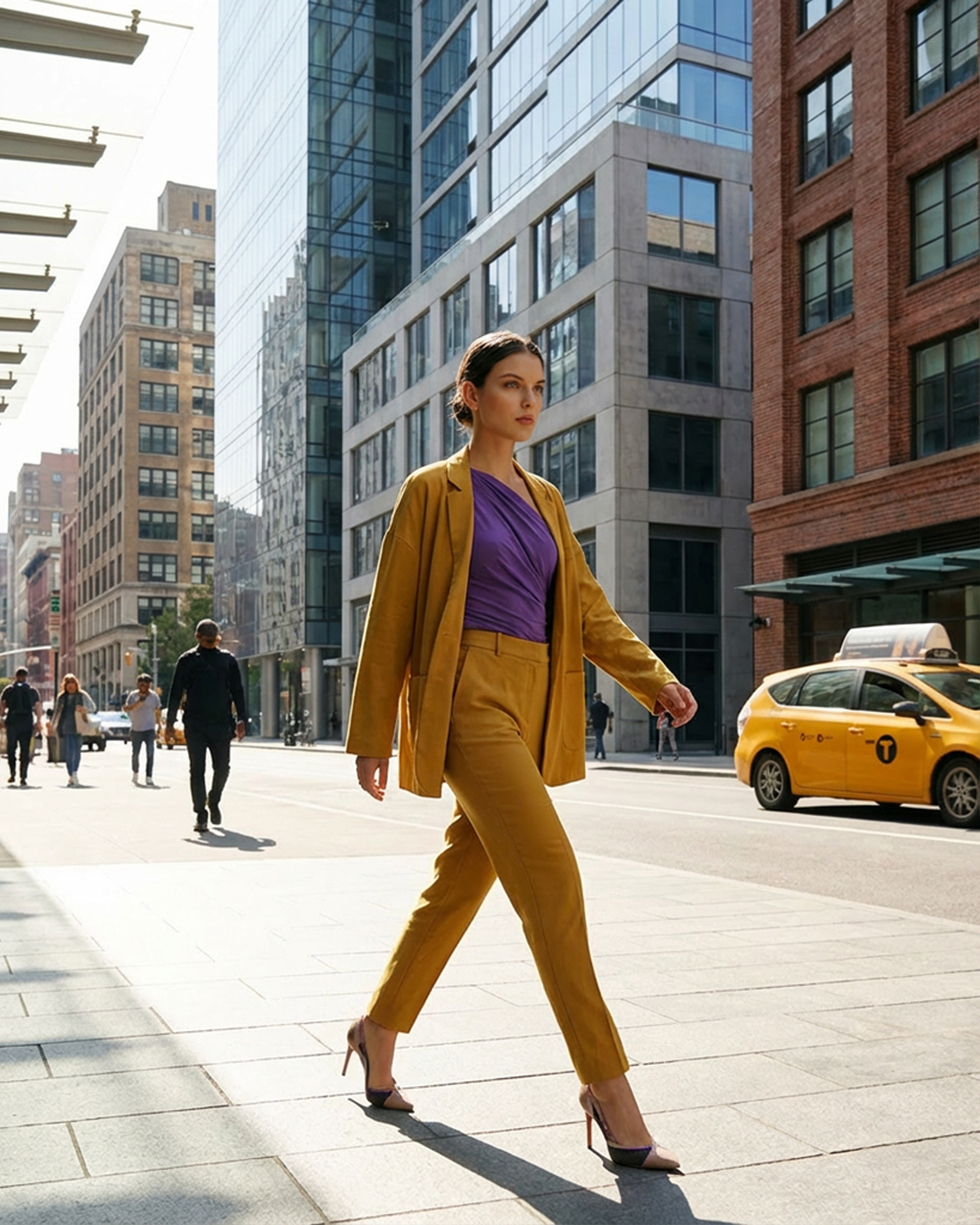
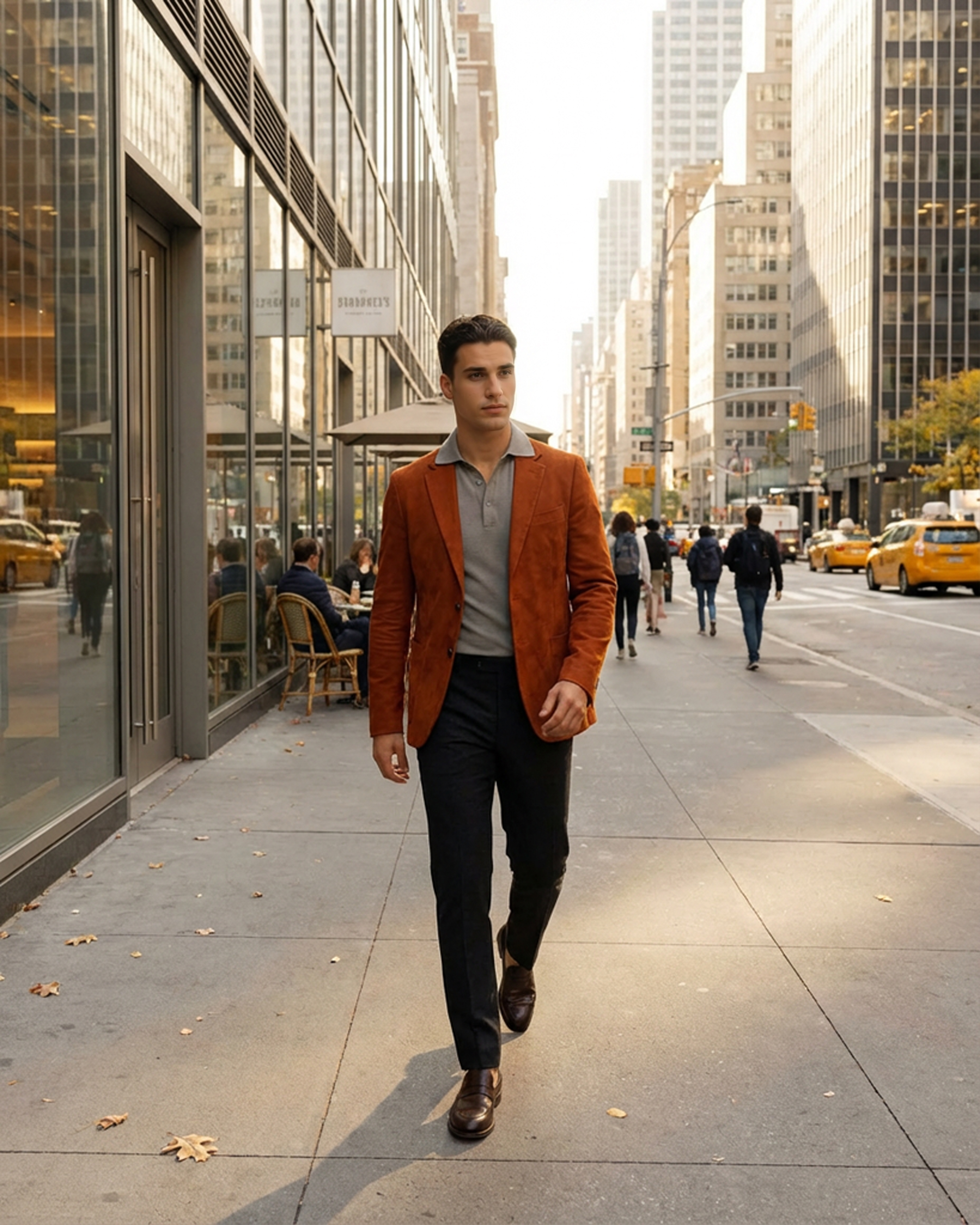
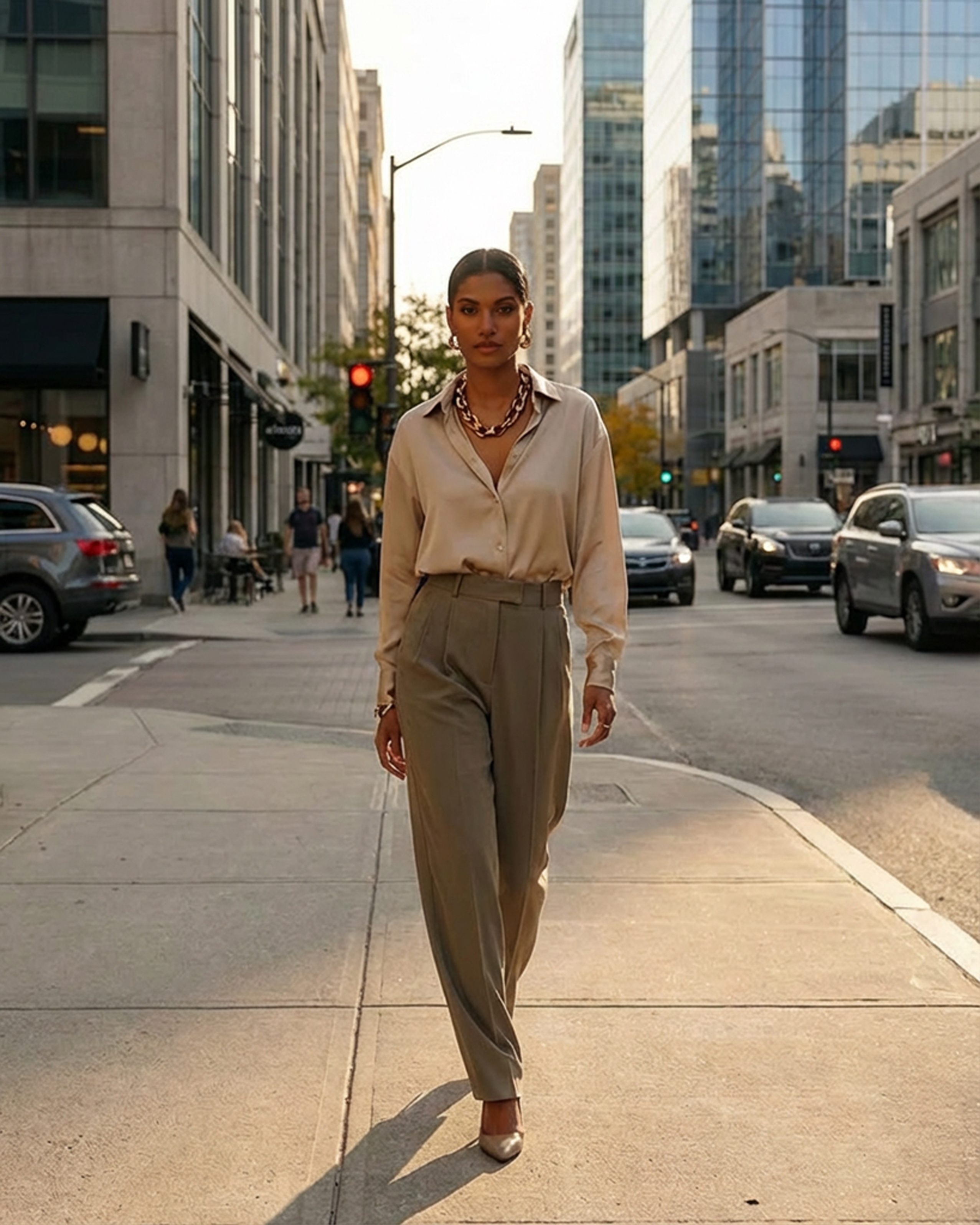
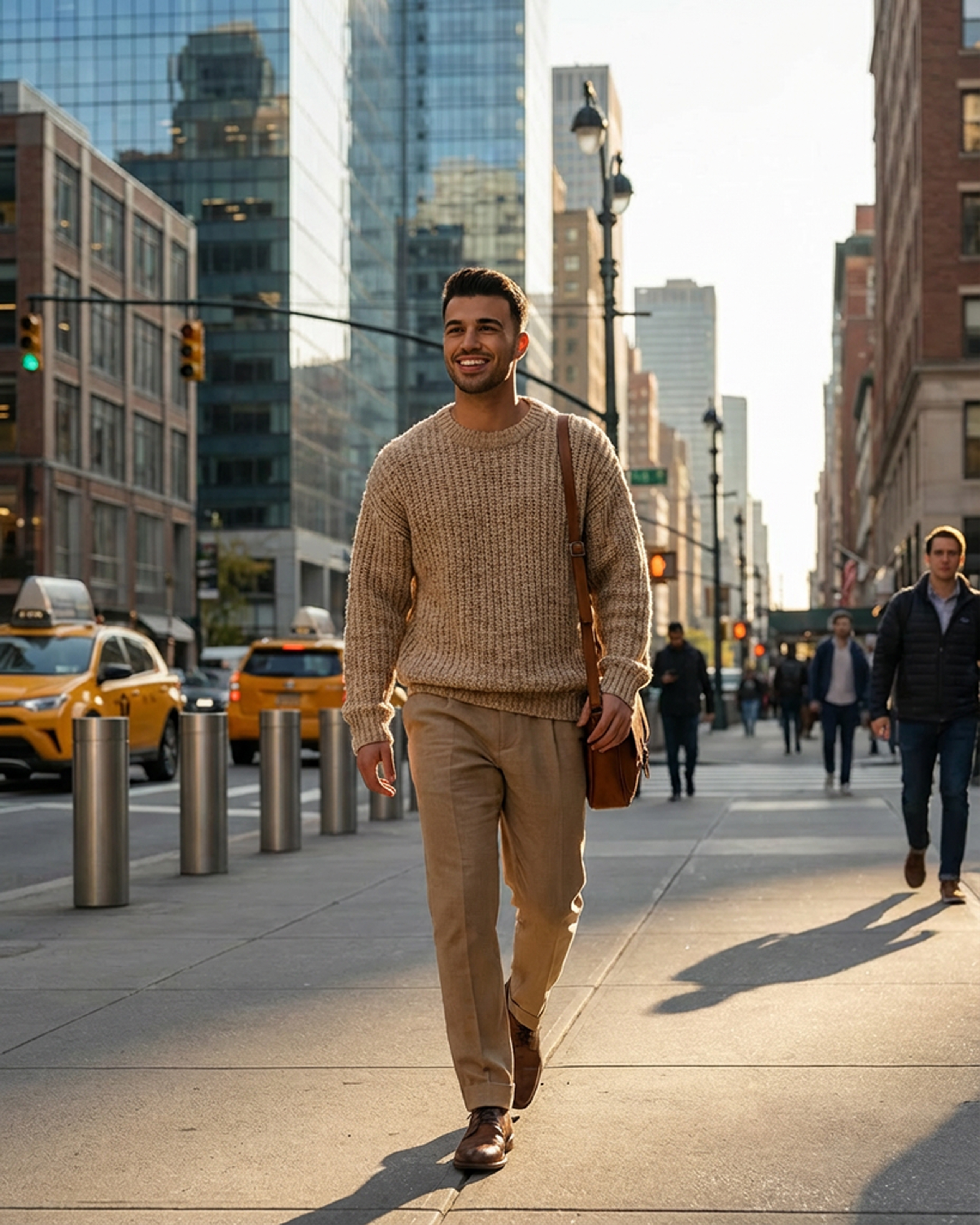
We carried this effect over into the interior spaces as well. Thanks to this technique, a genuine, tangible lifestyle is created inside the building. It looks so stylish, aesthetic, and cinematic that viewers forget they are flipping through a promotional booklet — they feel like readers of a high-end art magazine dedicated to contemporary fashion and architectural photography.
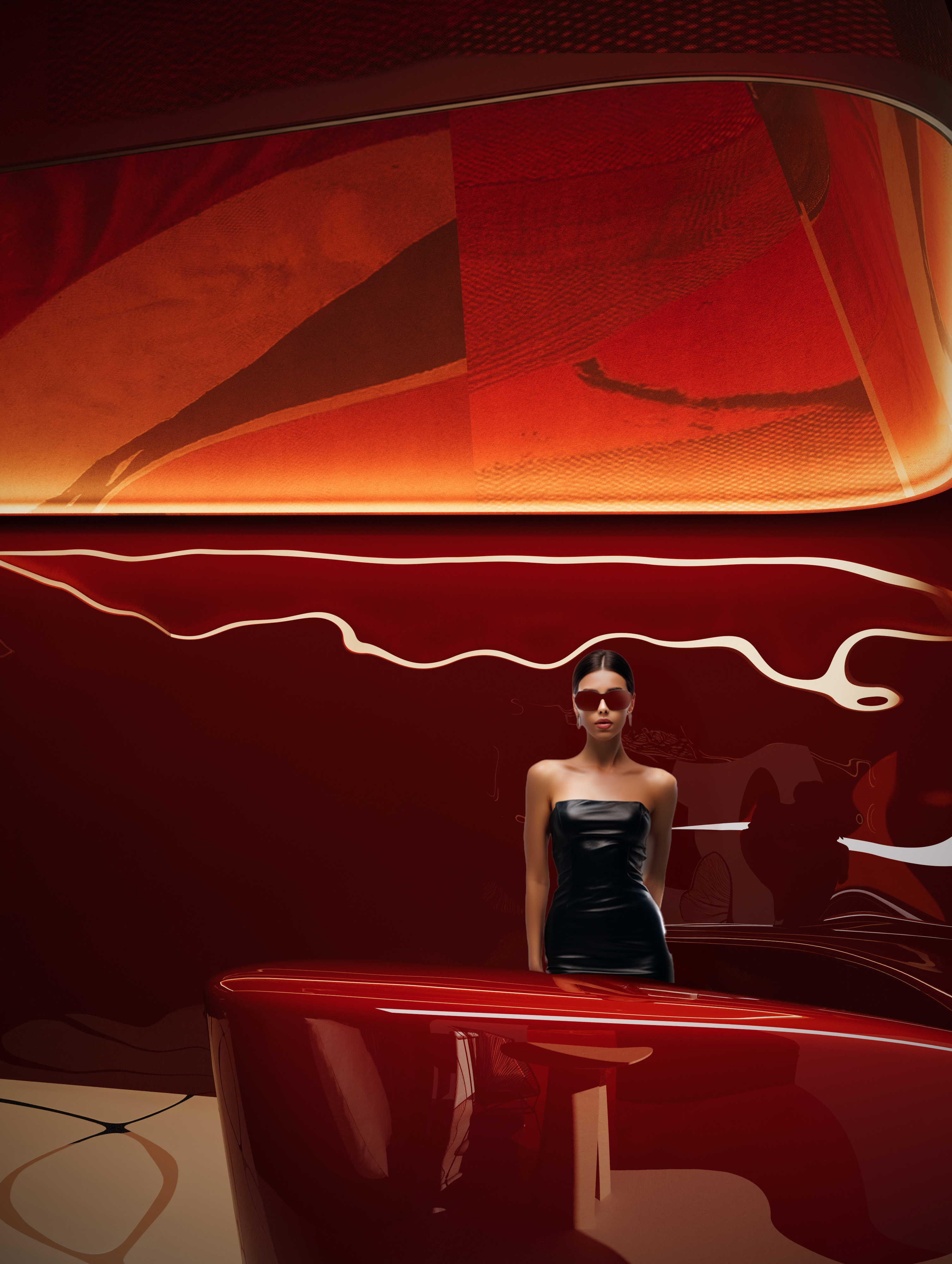
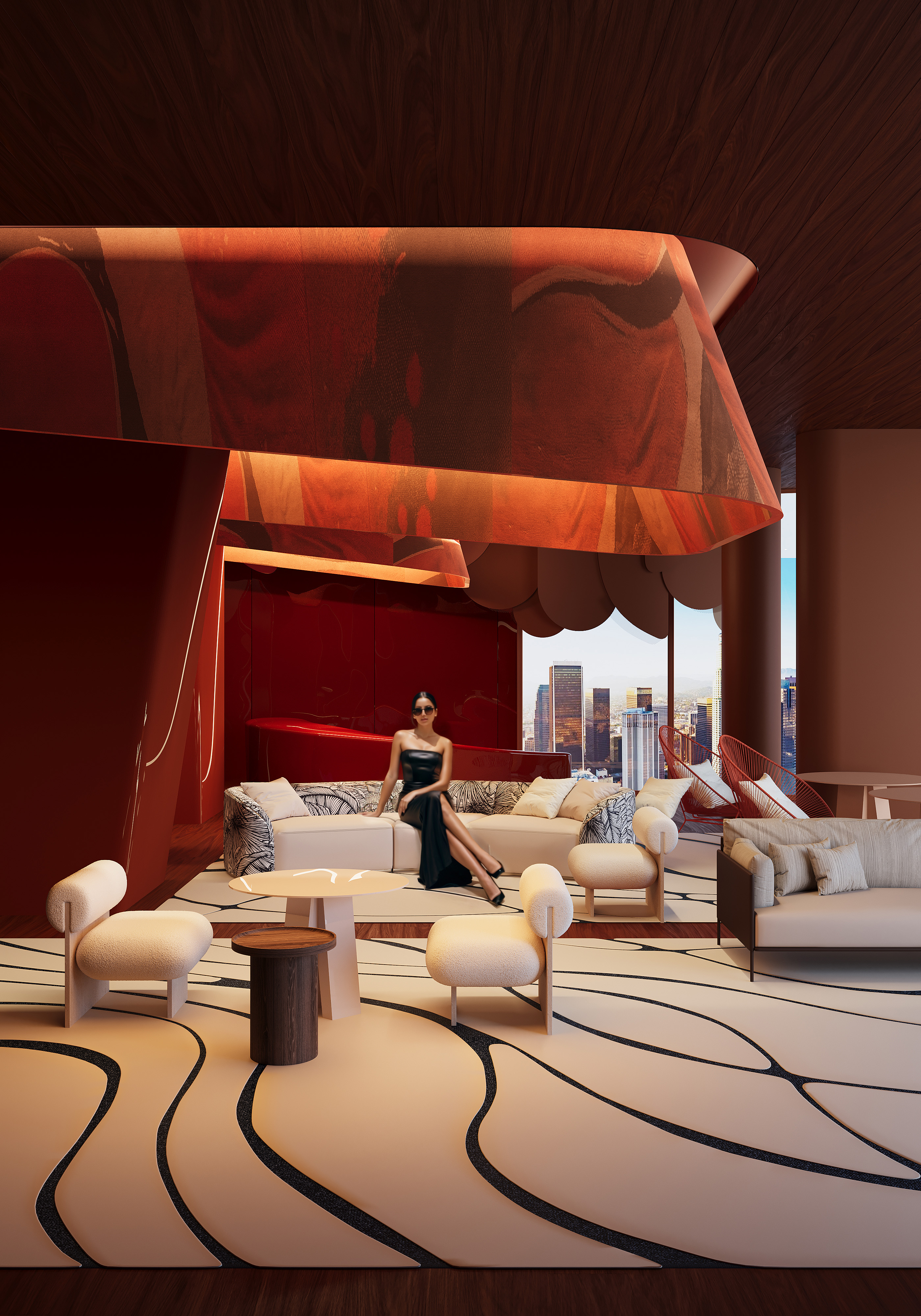
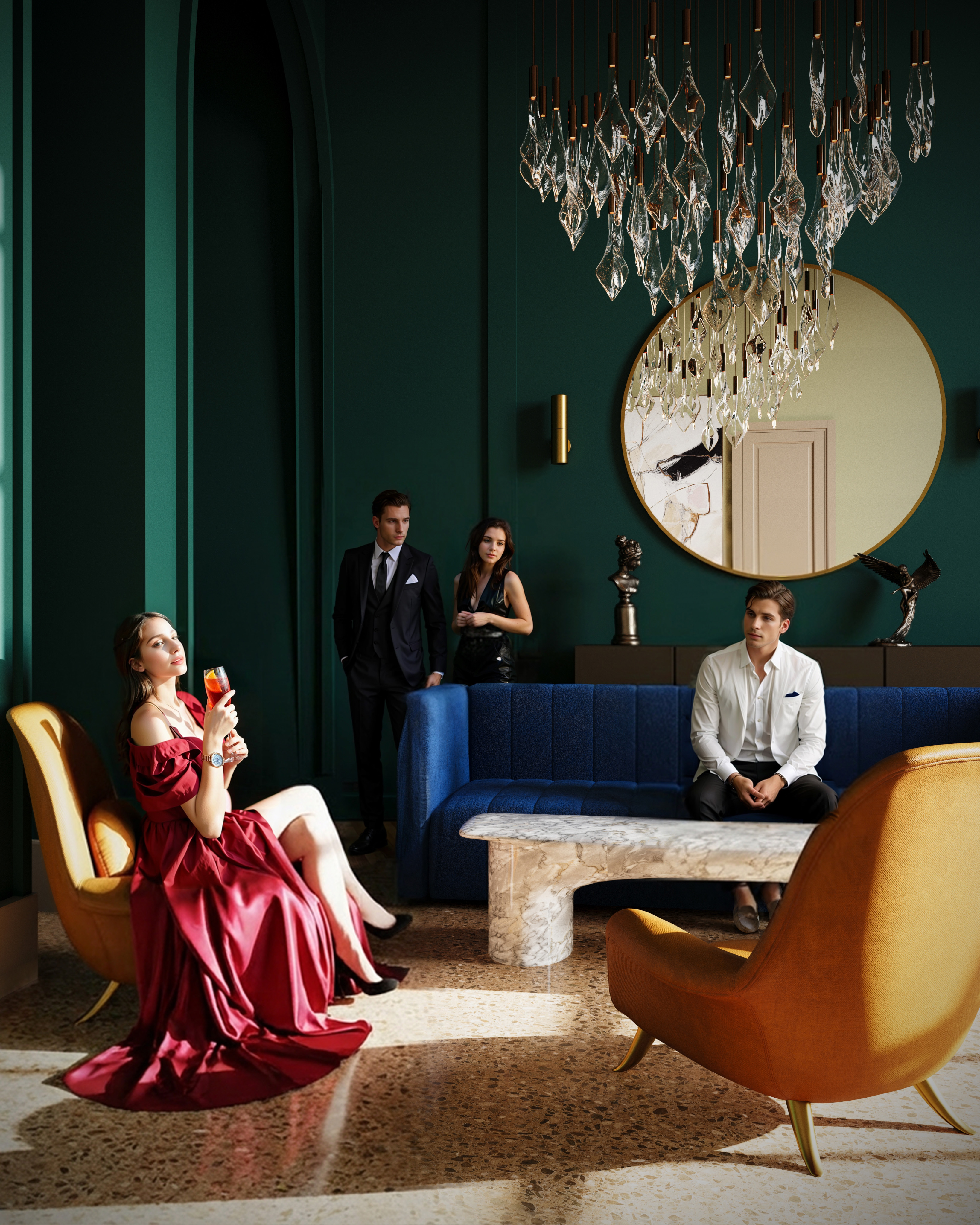
Each room here becomes an individual runway, and the people inside, like models, present it through the prism of an artistic experience:
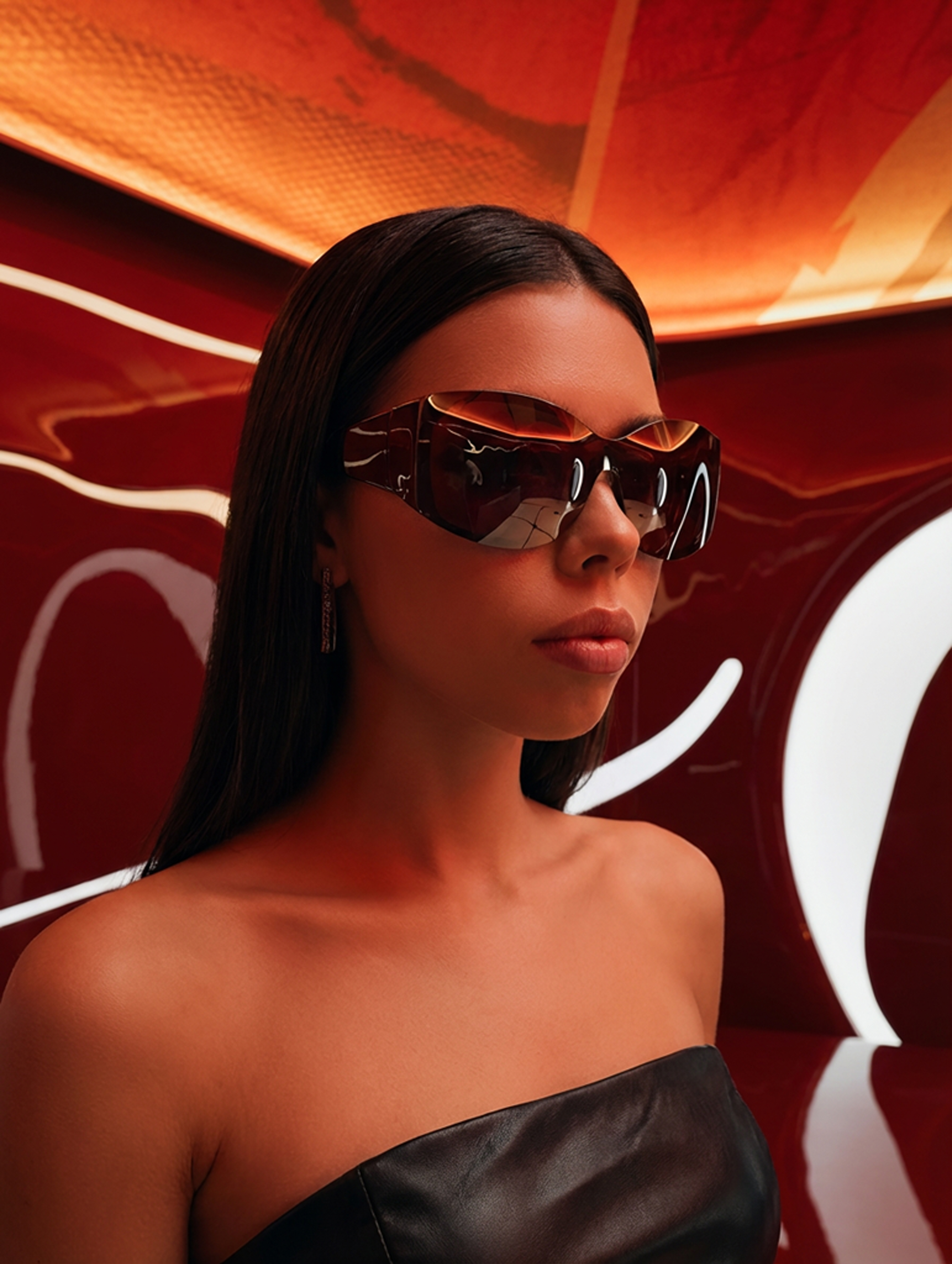
Reception: The space sets the rules of the game from the very first seconds. Deep red color, glossy mirrored surfaces, and an absolute absence of visual noise. This is a space for being noticed, not for waiting.
Hall: A place for a more reserved, calm presence. Soft contrasts, noble polished materials, and a balanced atmosphere. Here, conversations happen in pauses, without haste. Every gesture matters.
Lounge: This is where human pathways naturally intersect. Warm velvet light, soft, deep furniture, and an open rhythm of movement. People come here for a glass of wine — nd stay for the atmosphere unfolding around them.
Living room: A space fully shaped by impeccable taste. Every object here feels meticulously curated; every detail is meaningful. A person moves through this interior like a collector — keenly aware of form, color, and hidden meanings.
Wardrobe: Figures freeze in poses that echo fashion magazine editorials. The wardrobe room transforms into a private runway — a sacred space where interior design becomes the perfect frame for personal self-expression.

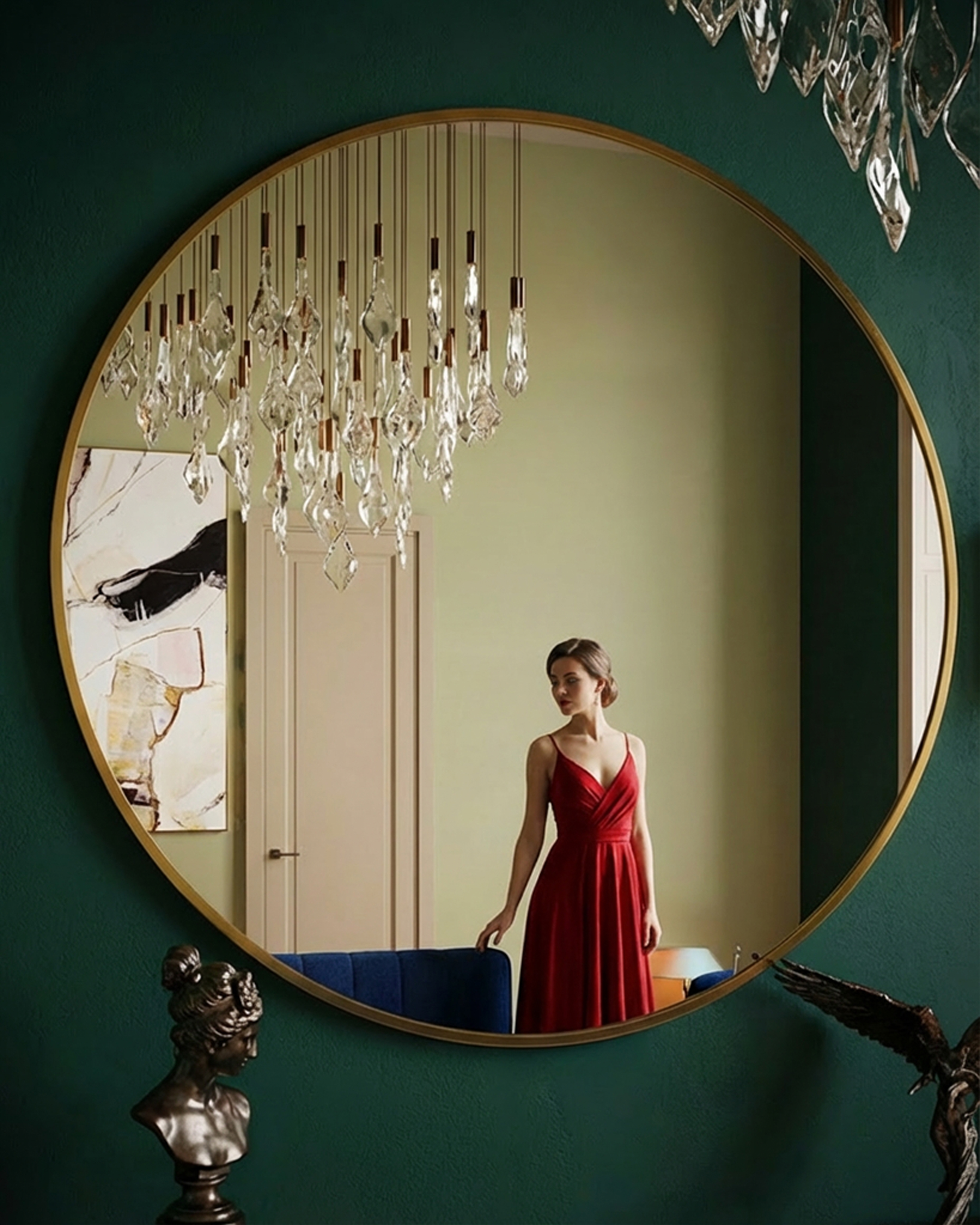
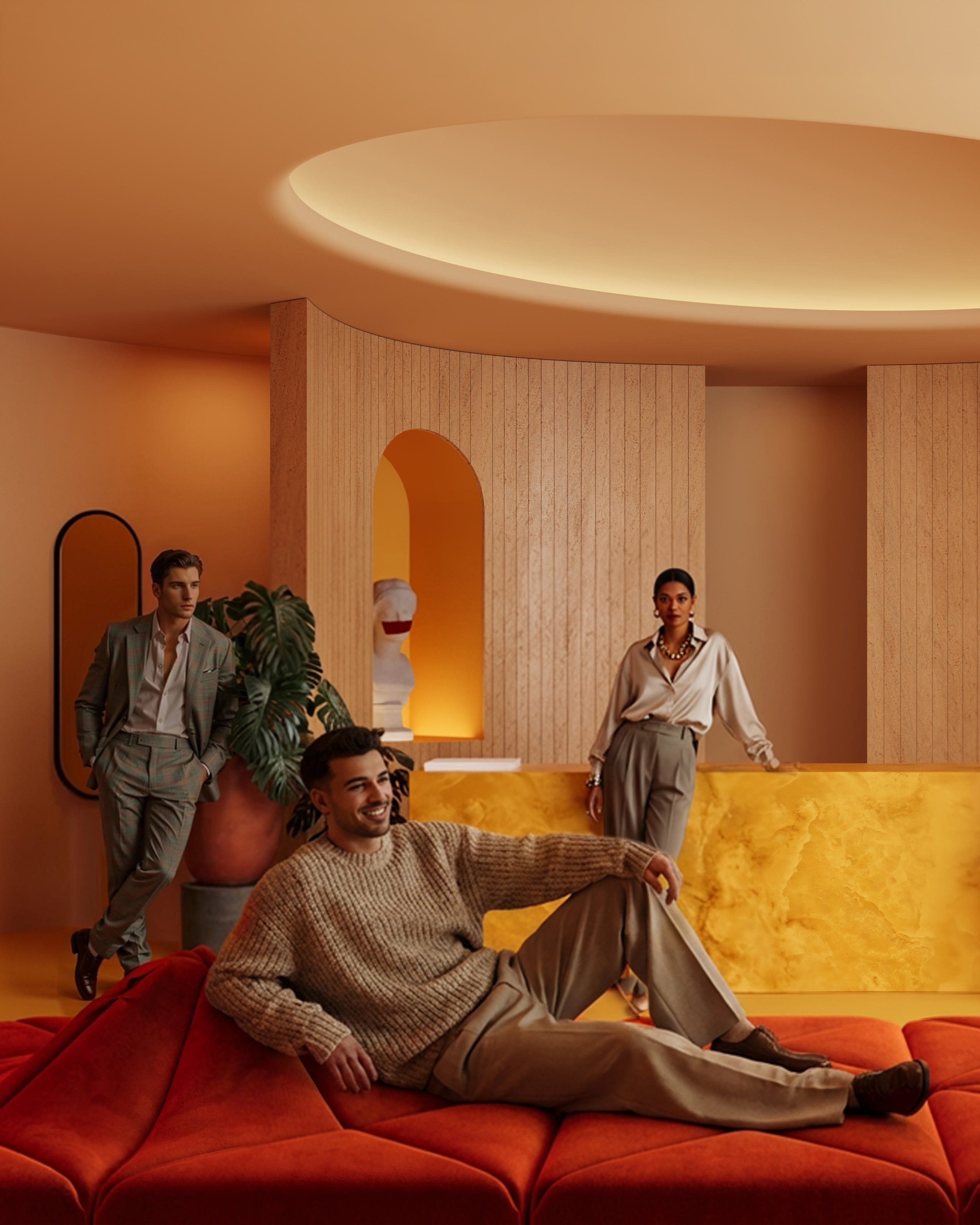
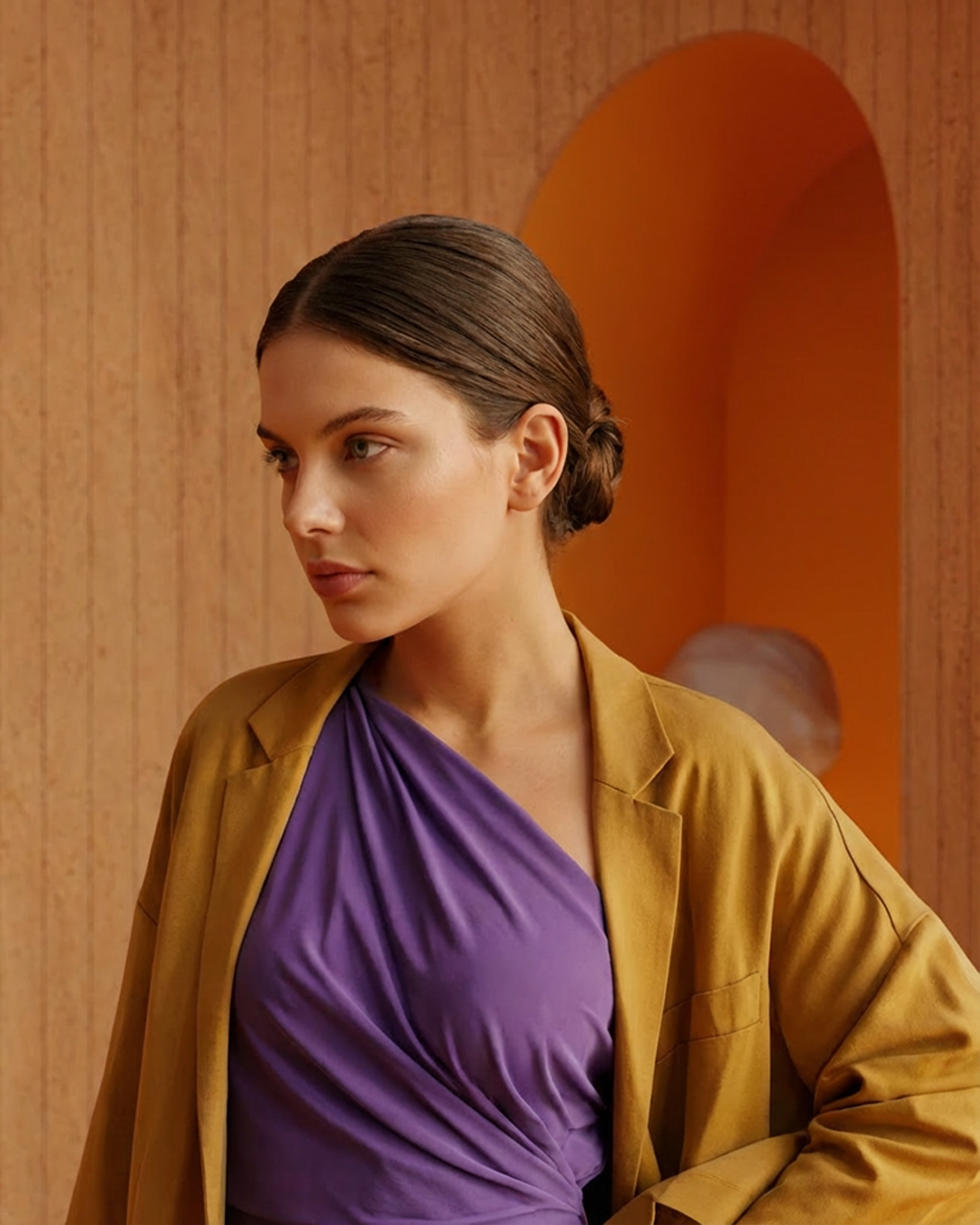
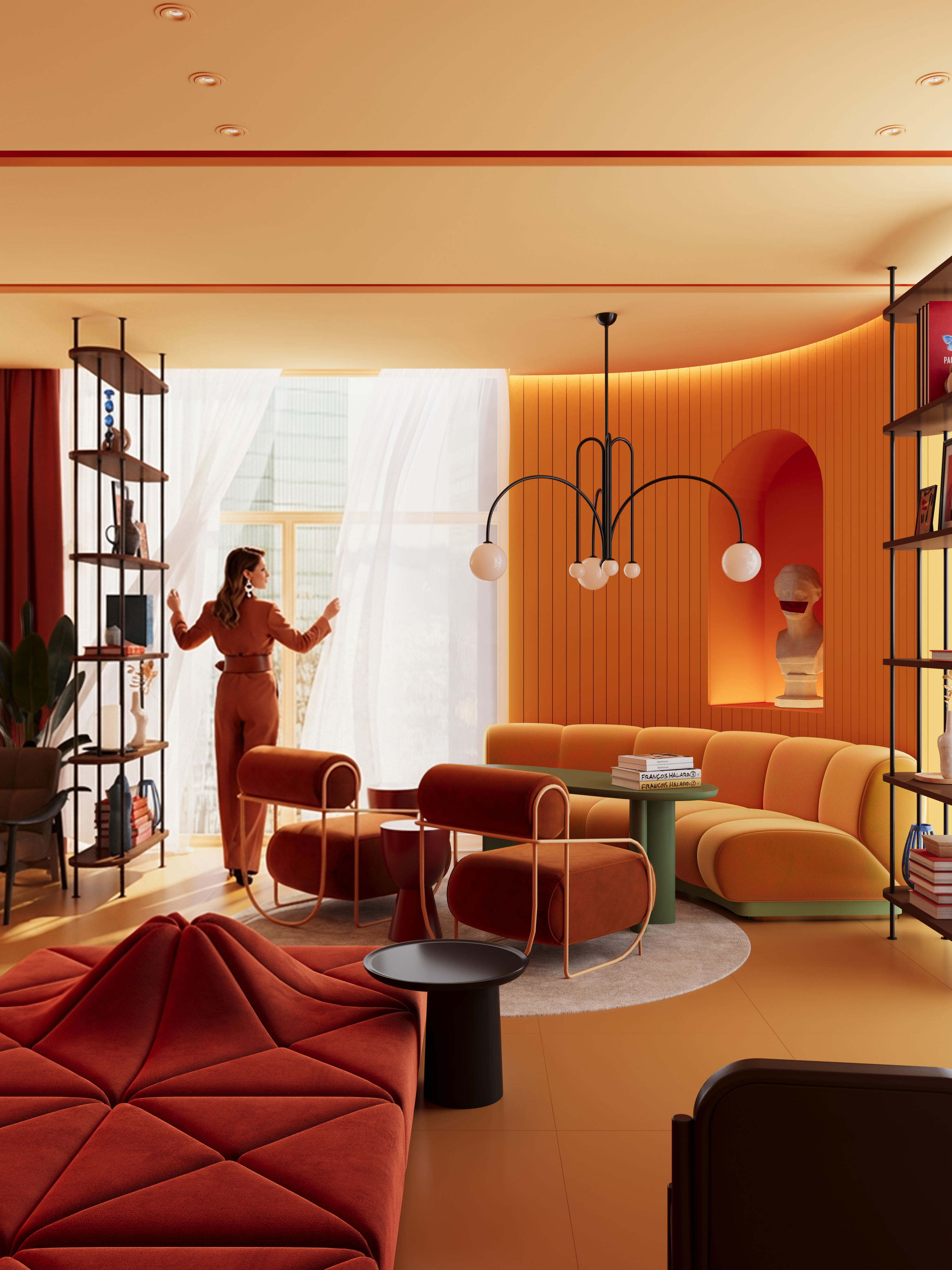
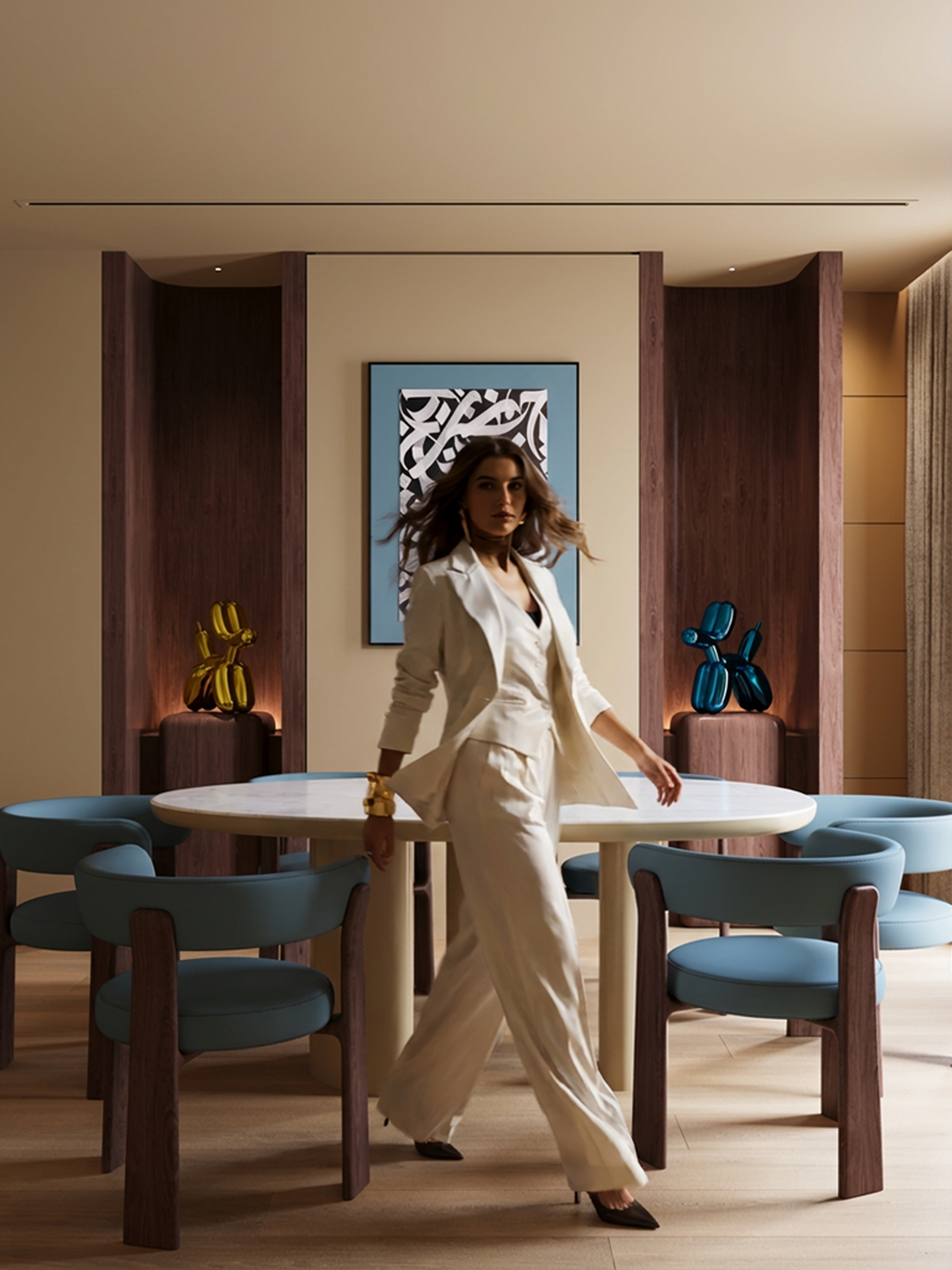
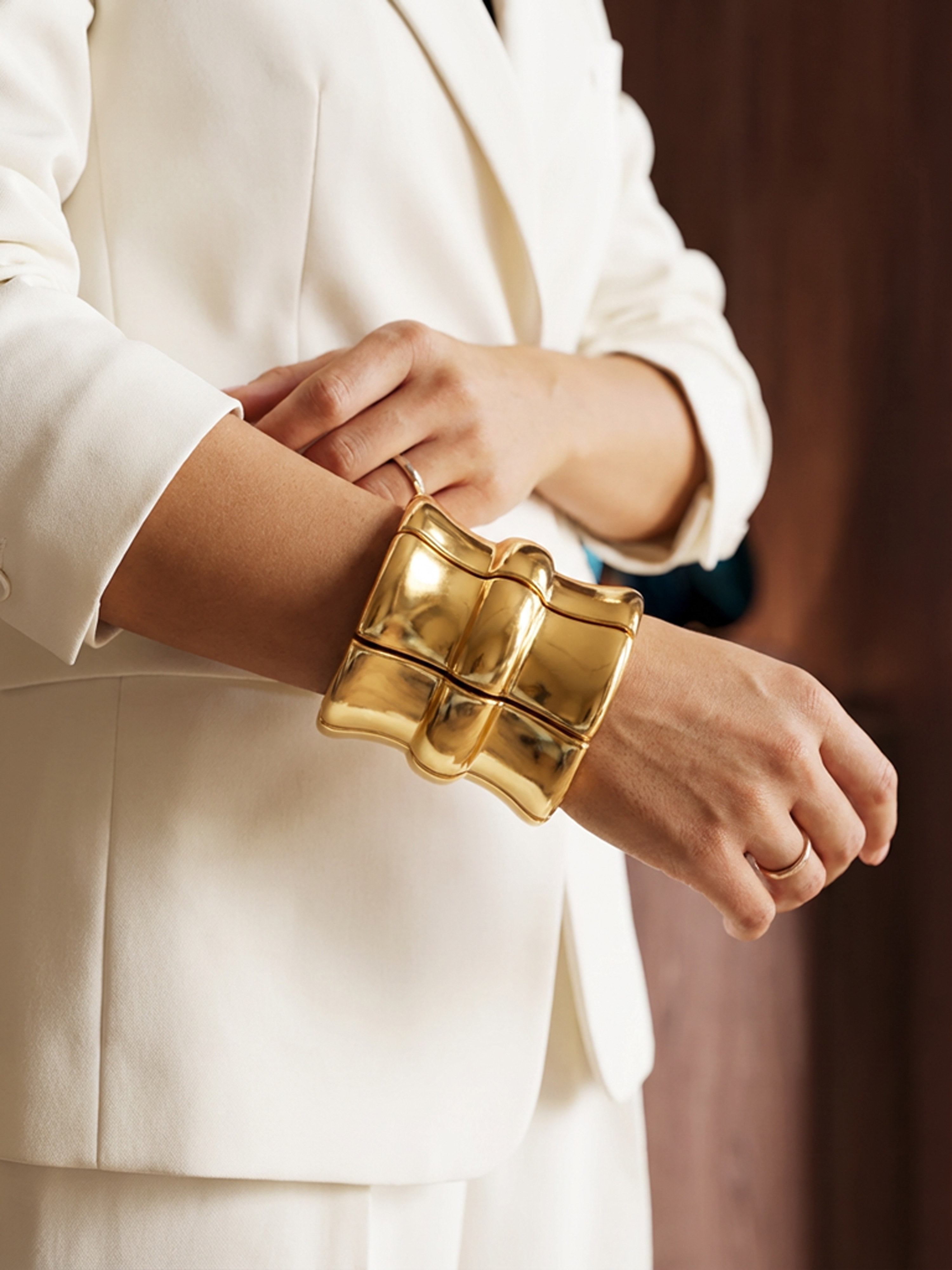
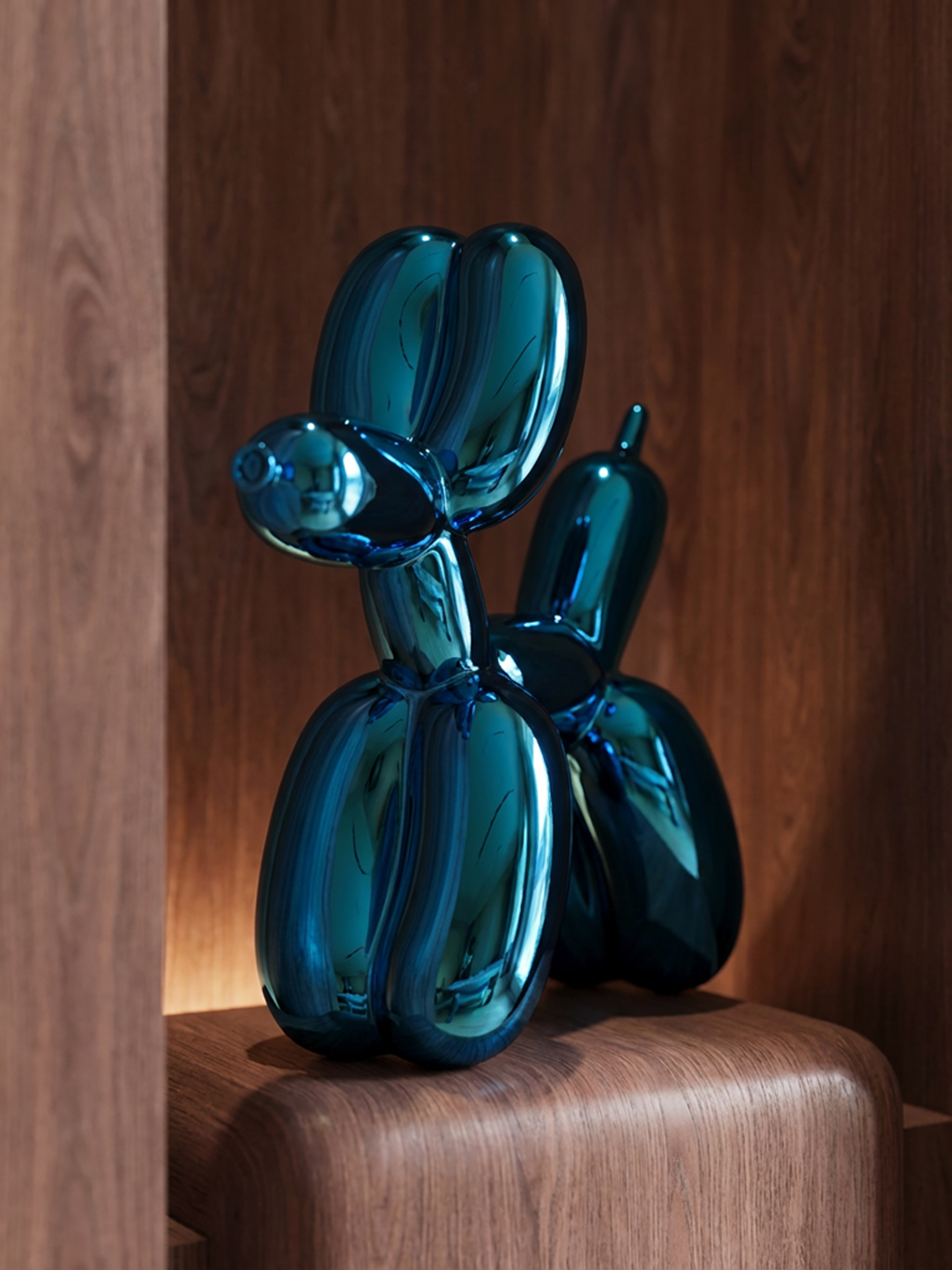

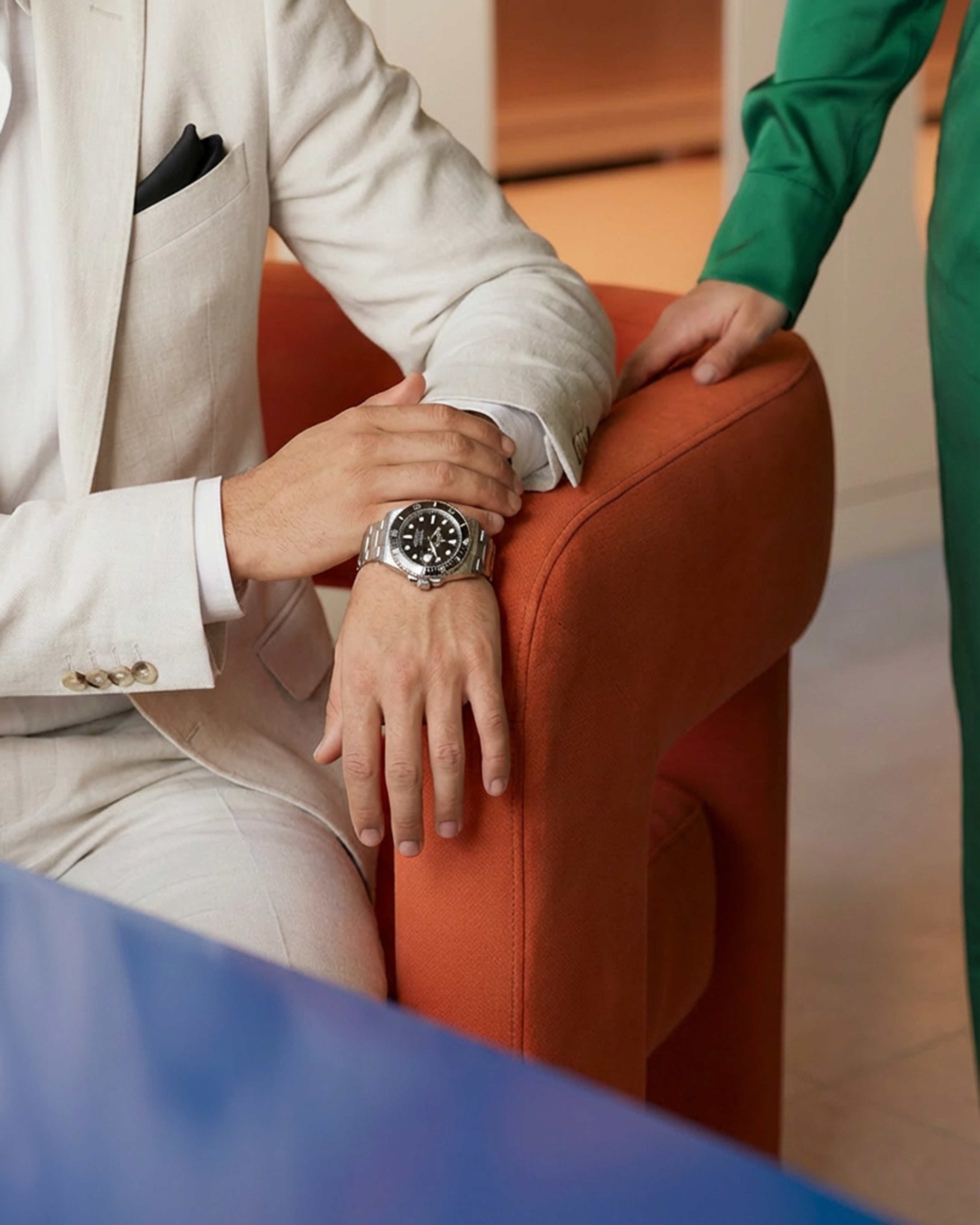
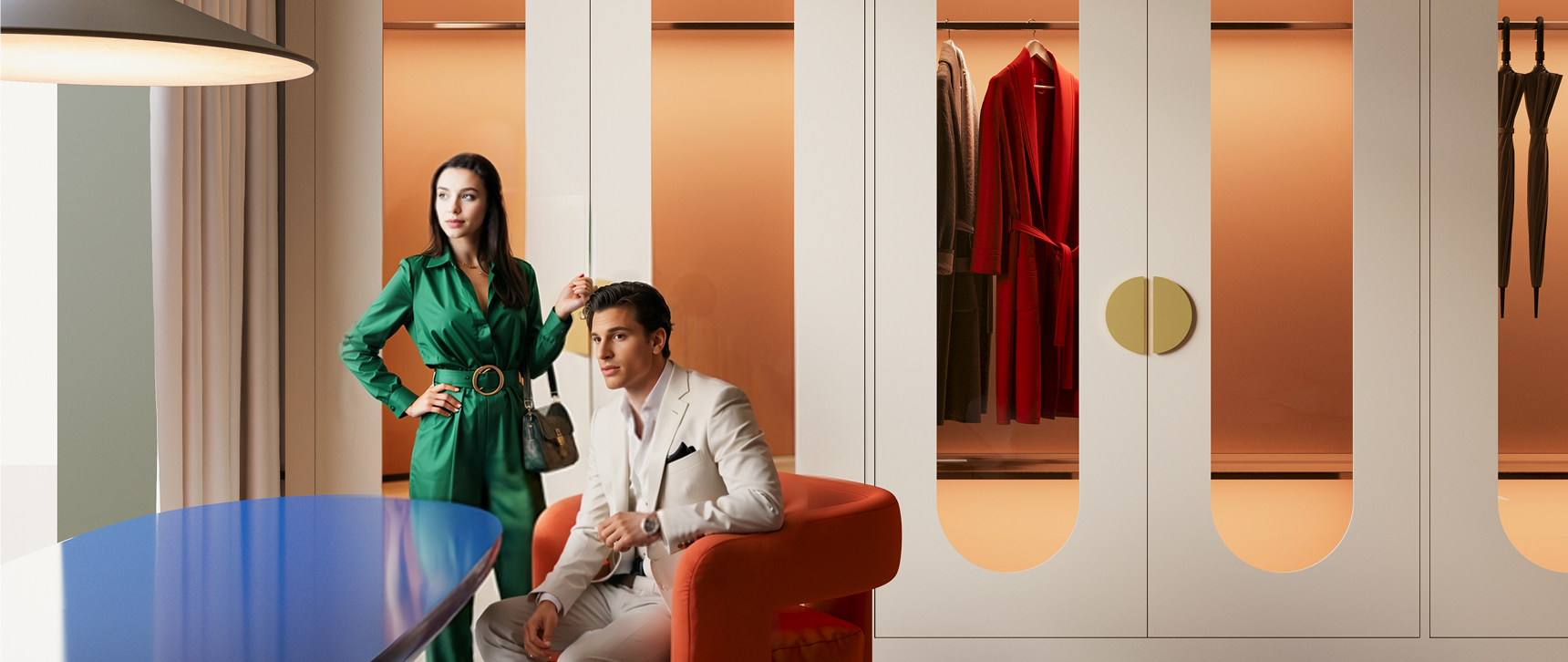
We often notice this in cinema: through a brilliantly crafted mis-en-scène, lighting, or dialogue, a space in a movie is emphasized so powerfully that it becomes vital for the viewer to see this place with their own eyes in reality. It becomes forever associated with certain emotions, actors, the depth of a conversation, or an event that unfolded there.
This is the exact effect we achieve in real estate presentations by integrating the tools of fashion campaigns and filmmaking. We are beginning to create an artistic experience. Next-generation architectural 3D visualization is a cinematic story about a life you want to find yourself in.


In this case study, we share the story behind our project California — a visual experiment where architecture meets the world of high fashion. Inspired by iconic fashion films, we create a dynamic narrative where the city becomes a runway, spaces act as movie sets, and human presence brings design to life.