


To illustrate this transition, let’s examine how our presentation has transformed through specific examples. You will see how the same object can be perceived as either a purely technical solution or a curated living environment — depending on the visualizer’s focus.

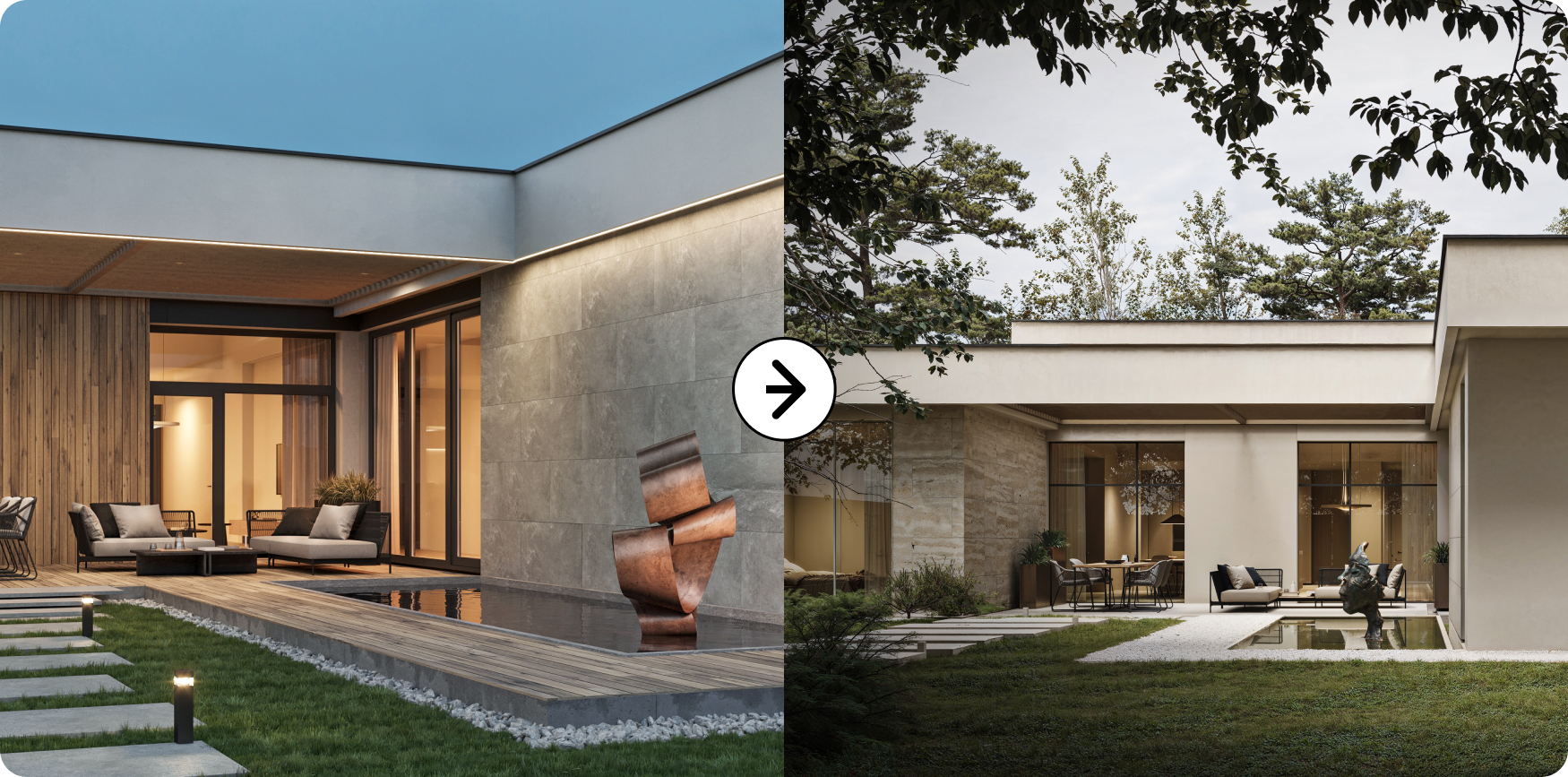
A technically correct render with a clear view of the architecture. The building is visible, but the mood feels flat, and the surrounding environment does not fully support the project’s character.

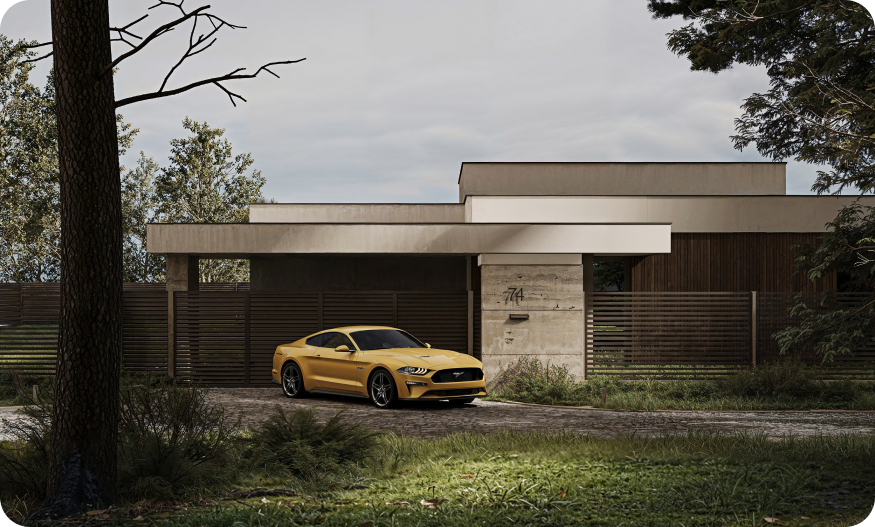
A more atmospheric scene with stronger composition, lighting, and context. A more atmospheric scene with stronger composition, lighting, and context. The render now frames the house as a lived-in place — with depth, contrast, and a clearer emotional focus.
A more atmospheric scene with stronger composition, lighting, and context. A more atmospheric scene with stronger composition, lighting, and context. The render now frames the house as a lived-in place — with depth, contrast, and a clearer emotional focus.
The first render presented the house in a bright, eye-catching way, but the image felt less focused and visually controlled. Strong lighting and a wide composition drew attention away from the architecture itself.
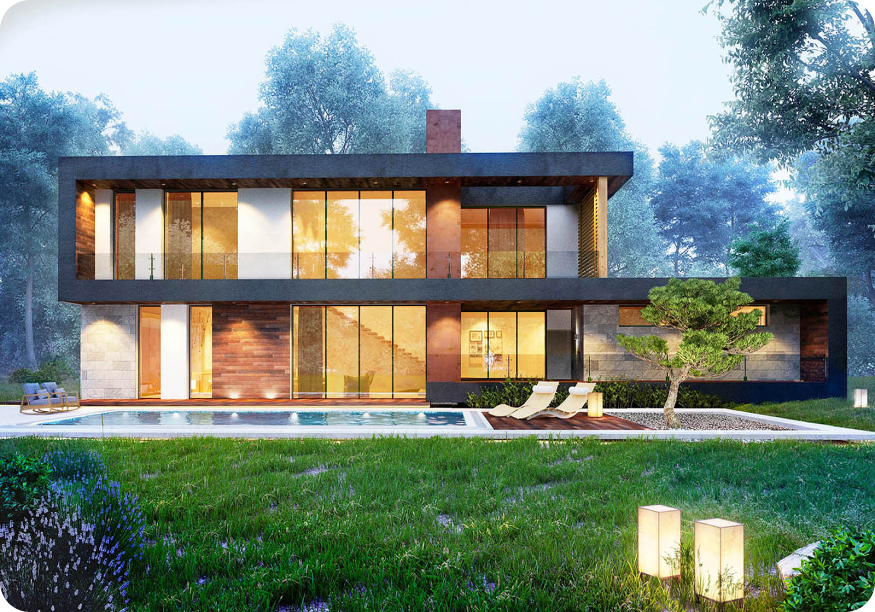
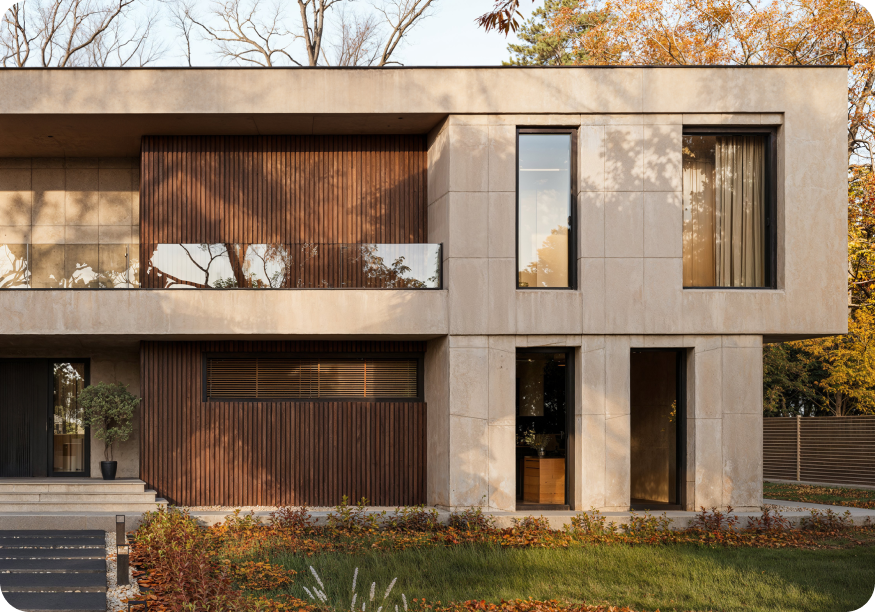
We refined the framing, light, and atmosphere to create a calmer and more precise visual story. The new render highlights the facade, materials, and proportions with stronger clarity and architectural presence.
We refined the framing, light, and atmosphere to create a calmer and more precise visual story. The new render highlights the facade, materials, and proportions with stronger clarity and architectural presence.


From Orthogonal Plans to Human-Centric Perspectives: Instead of standard "corner views," we began seeking out points of view where a real person would actually stand. We showcased more than just a facade — we captured the way sunlight reflects off the glass as you approach the front door.
Light as an Emotional Tool: We replaced technical lighting designed to "show everything" with atmospheric, artistic scenarios. We introduced evening coziness, the softness of morning twilight, and a play of shadows that emphasizes the architectural volume.
Tactile Materiality Over Flat Textures: It’s no longer just a "shade of gray." In our renders, you can feel the coolness of concrete, the roughness of wood, and the warmth of textiles. The viewer can almost physically touch the materials.
Context and Vitality: We moved away from empty, sterile spaces. Now, the frame captures a set table, an open book on a sofa — a life that is already unfolding within the project.
%201.jpg)
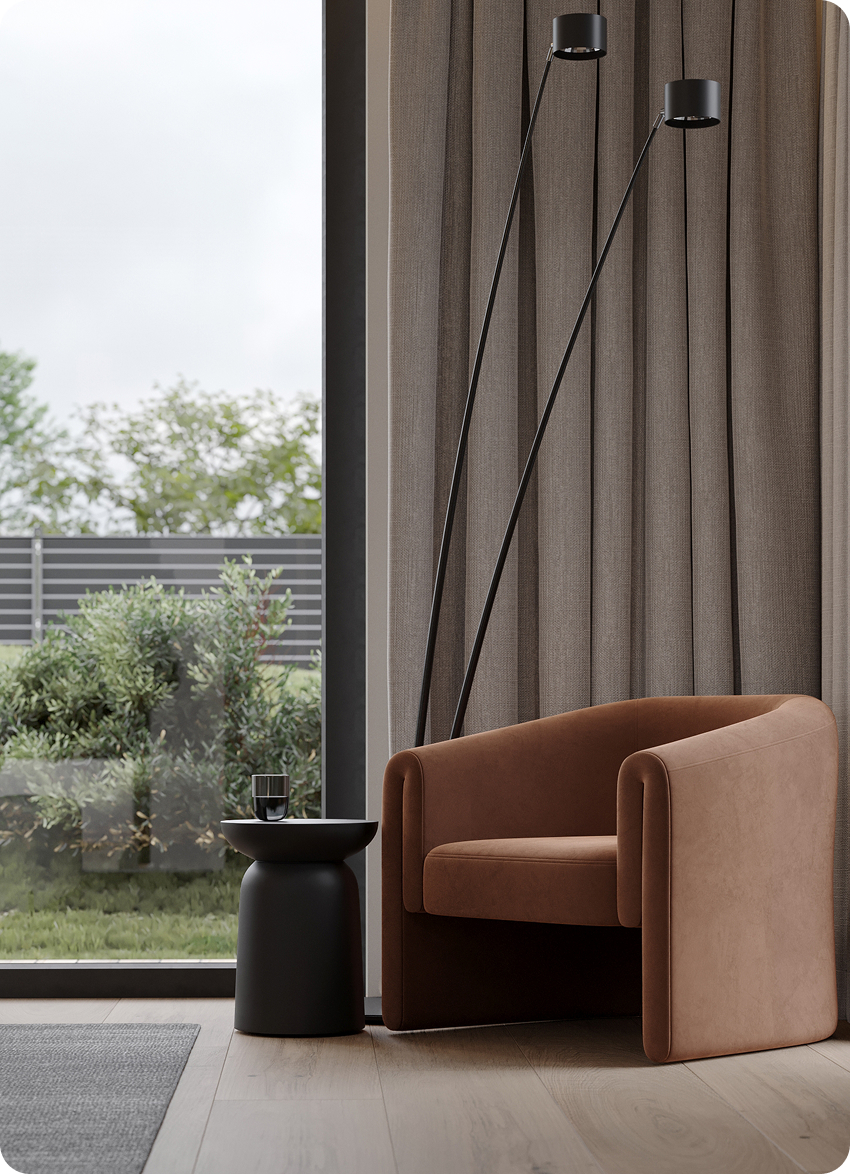

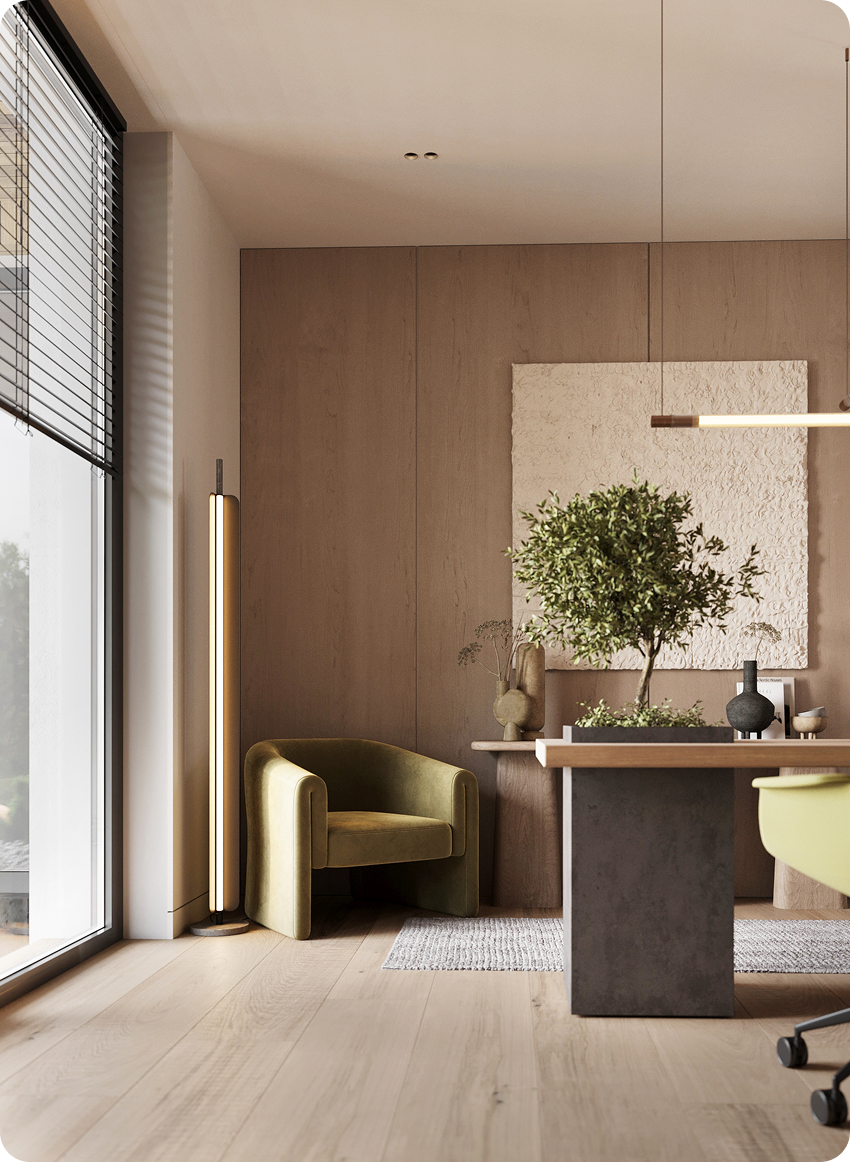
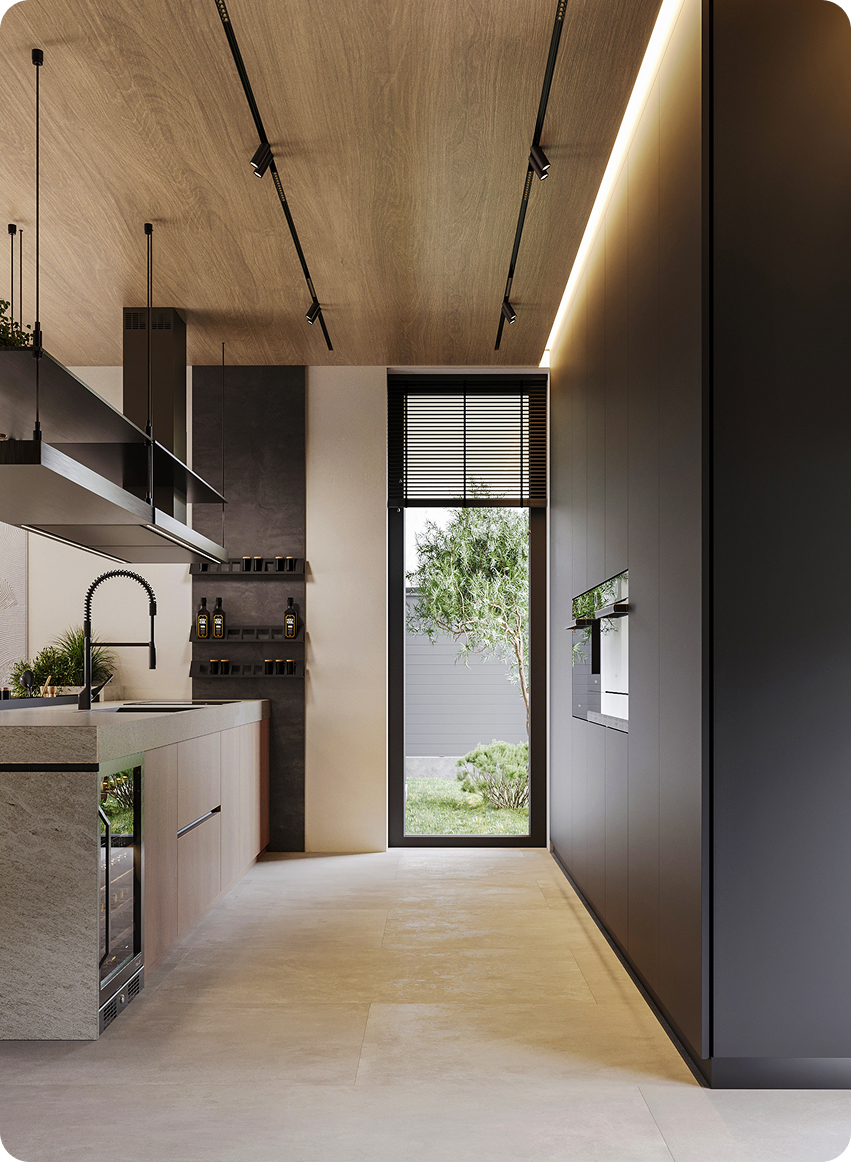
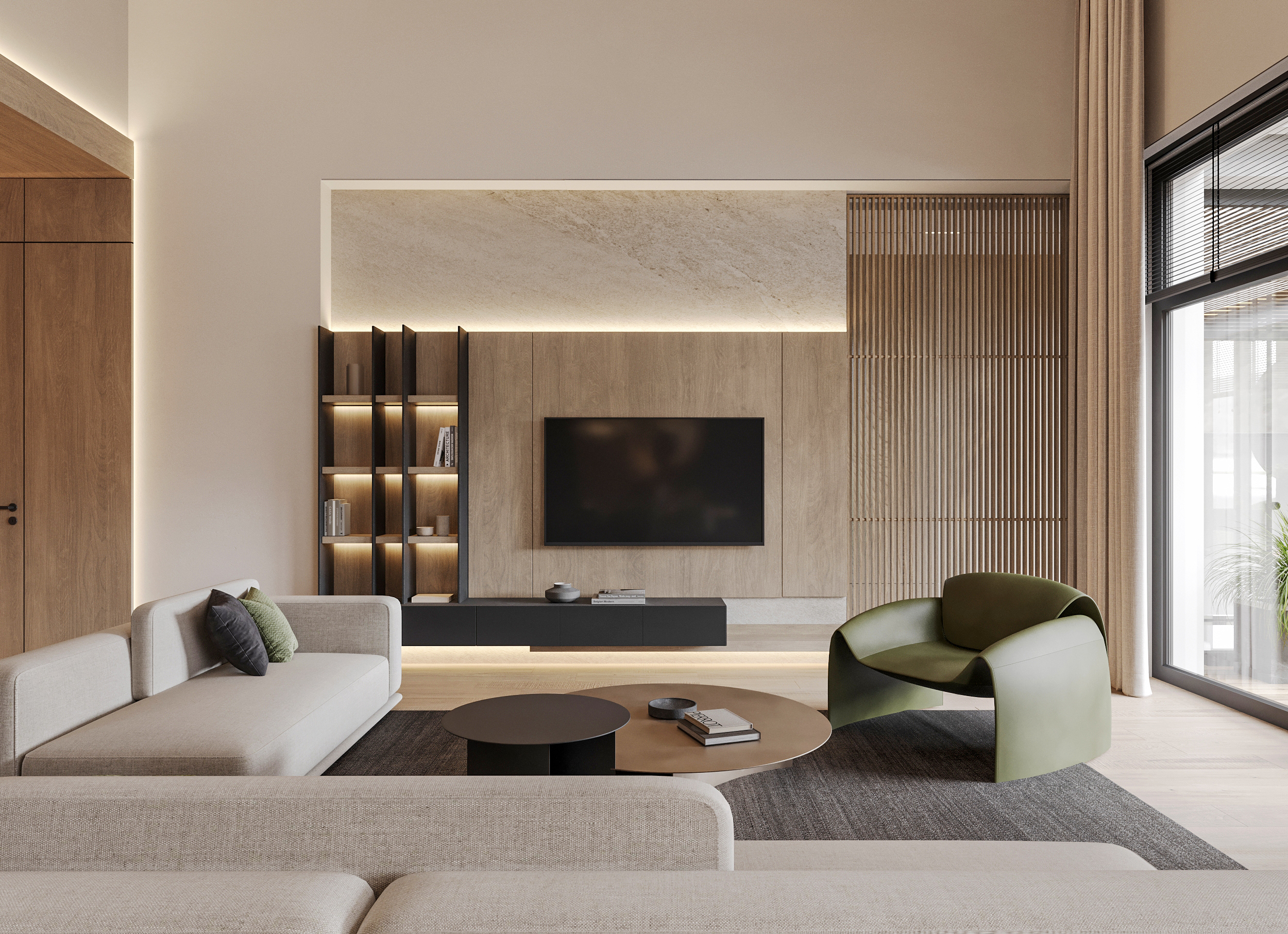
Once the visual language changed, the audience changed with it. The visualizations became more than project images — they turned into content people could connect with, associate with lifestyle, and return to for inspiration. The result was a shift in both scale and quality of the audience: from 366 followers, mostly colleagues and existing clients, to a much broader community of potential clients, industry peers, and architecture enthusiasts engaged with the studio’s vision.
.png)
Visualization shapes how a project is presented to the world. It turns an architectural concept into a story that attracts attention, builds trust, and creates demand. For DA Design, this meant moving from technical presentation to a visual identity that supports both brand growth and client acquisition.


Architecture demands many roles at once: engineer, geographer, psychologist, artist. But real projects often leave little room for the presentation that helps clients believe in the vision. Together with DA Design Studio, we helped architects stay focused on creativity — while giving their projects a voice strong enough to reach thousands.