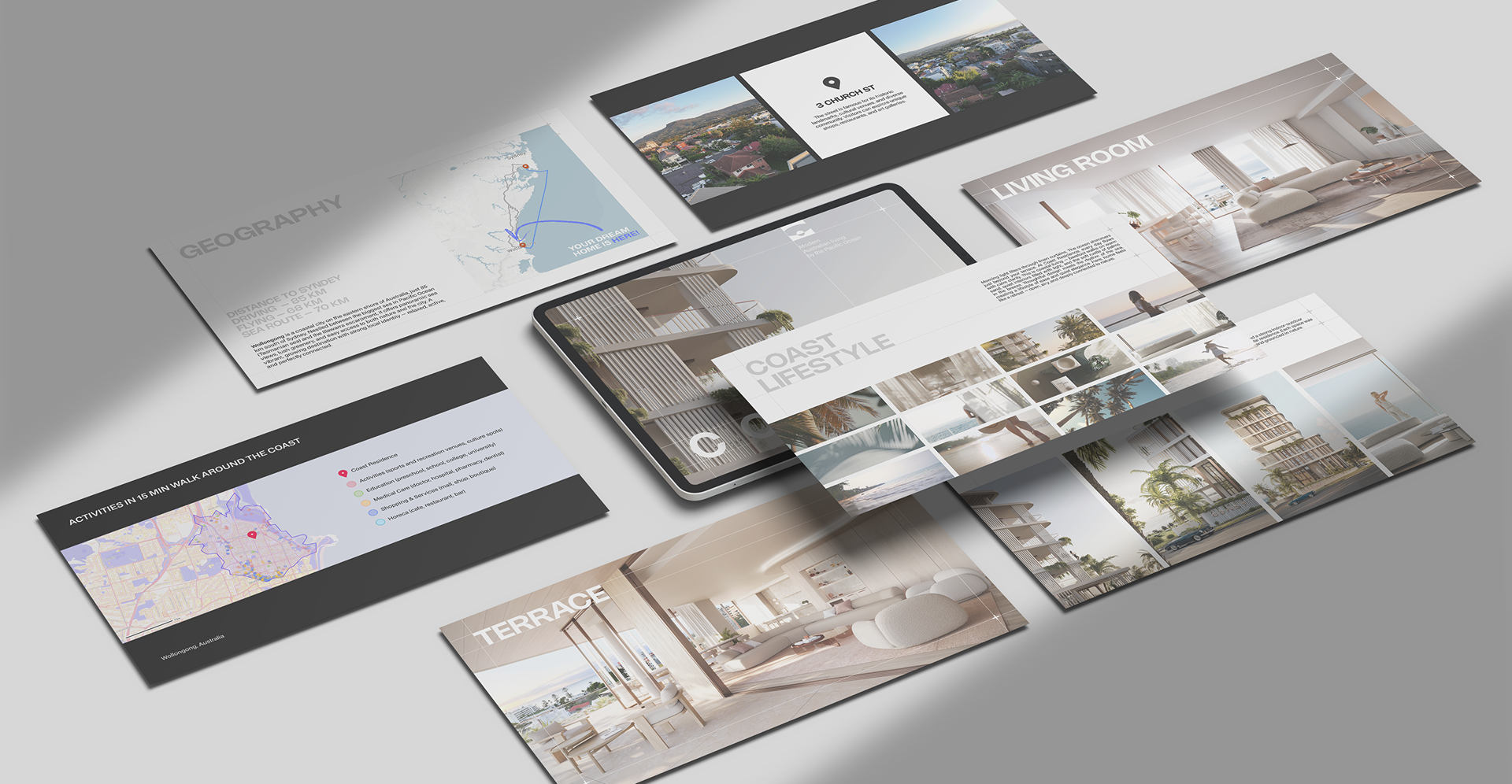

August 26, 2026

REAL ESTATE MARKETING BROCHURE: EXPLAIN THE SERVICE

REAL ESTATE MARKETING BROCHURE: EXPLAIN THE SERVICE
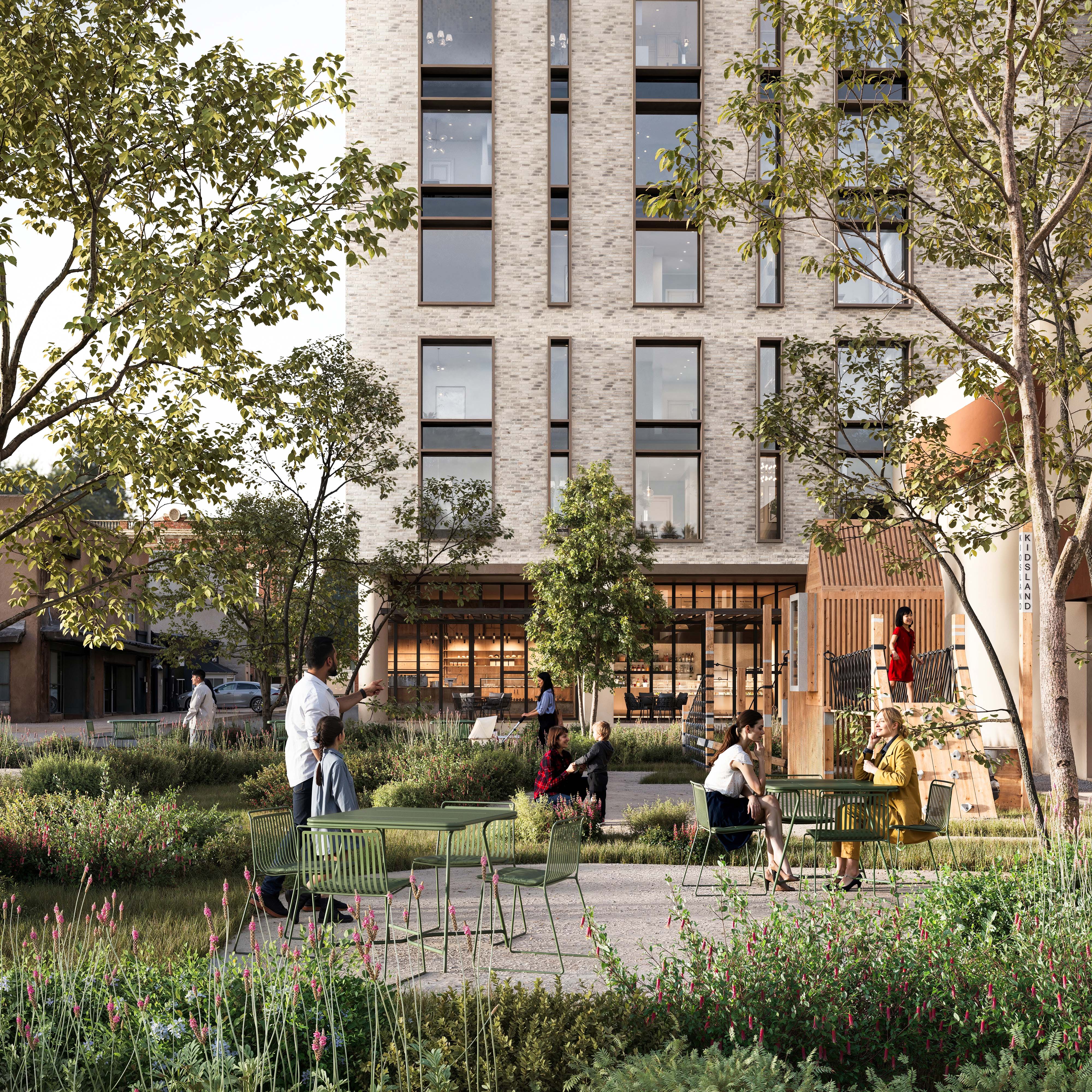
Most real estate marketing falls apart the same way: renders come from one vendor, copy from another, editorial design from a third, and none of it quite fits together. Worse, the result can feel like a standard template rather than reflecting what’s actually individual about the project. That’s exactly the gap Real Estate Marketing Brochure was built to close, delivering all important materials and senses as one coordinated package instead of pieces you have to assemble yourself. In this article, we break down what’s inside this service and how it works.
Julie Krivonosyuk
CHIEF BUSINESS DEVELOPMENT OFFICER
Julie Krivonosyuk

WHAT IS A REAL ESTATE MARKETING BROCHURE?

A real estate marketing brochure is a professional marketing and sales tool designed to present a property, development, or architectural project in a clear, engaging, and persuasive way. It brings together key elements in a structured presentation:

  • Architectural concepts
  • Floor plans
  • Property specifications
  • Location information
  • Amenities
  • Lifestyle features
  • Other key selling points

Unlike a simple project booklet, real estate brochure design is built around a specific communication and sales strategy. Its purpose is to:

  • Provide information
  • Shape how a potential buyer perceives the property
  • Guide them toward the next step in the buying journey

A well-designed property brochure works as a carefully structured perception funnel. Visual hierarchy, typography, layout, imagery, and white space determine how information is consumed. The presentation typically follows a strategic flow:

  1. Emotional connection: Architecture, atmosphere, lifestyle, and vision.
  2. Rational information: Floor plans, specifications, amenities, infrastructure, and location.
  3. Call to action (final pages): Directing the reader to contact the sales team, book a viewing, visit a showroom, or request more information.

In this way, every spread becomes part of the property's marketing and sales strategy. Depending on the type of medium, real estate marketing presentations can be divided into two main formats, each with its own purpose and role in the communication process:

INTERACTIVE DIGITAL PDF / WEB BROCHURE

A digital real estate marketing brochure presents property information in an accessible format that can be viewed on computers, laptops, tablets, and mobile devices.

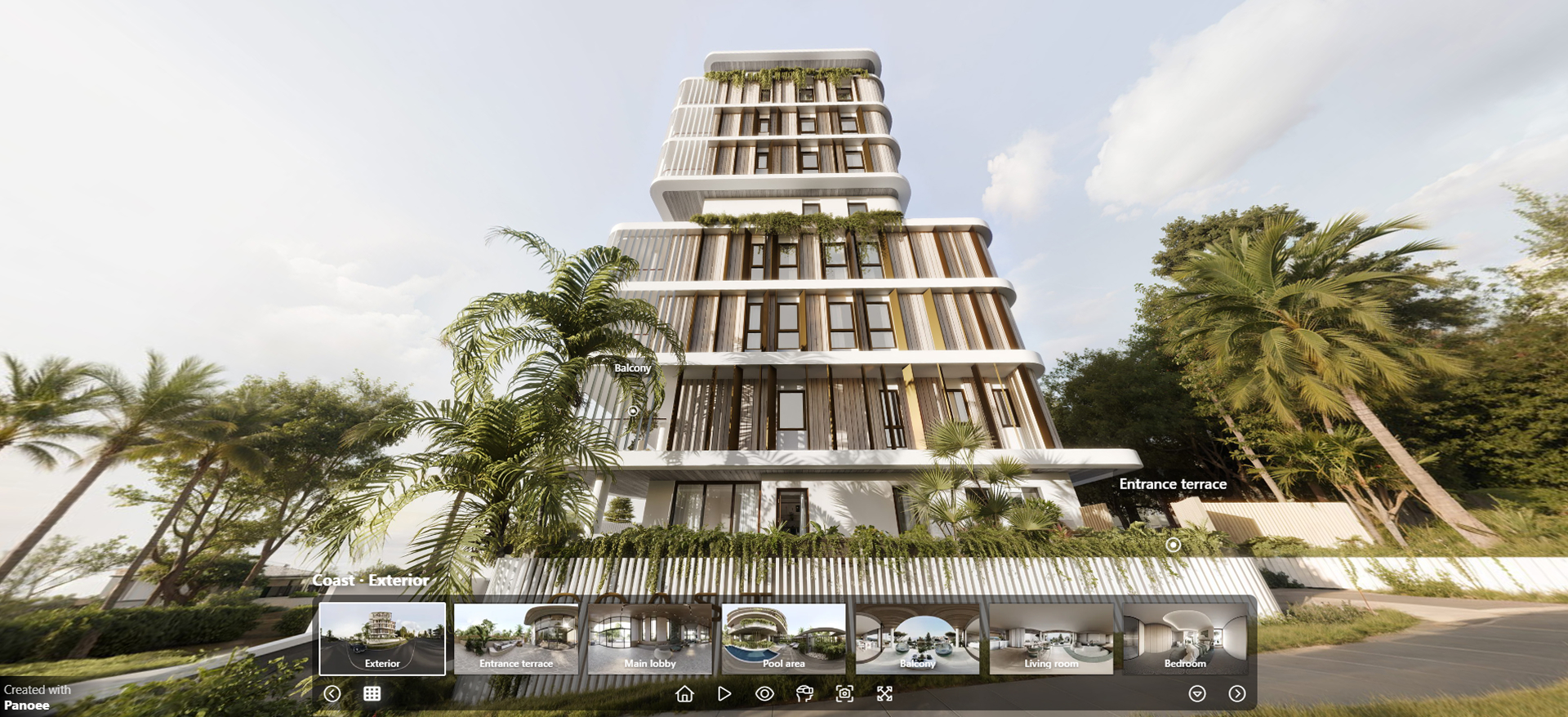
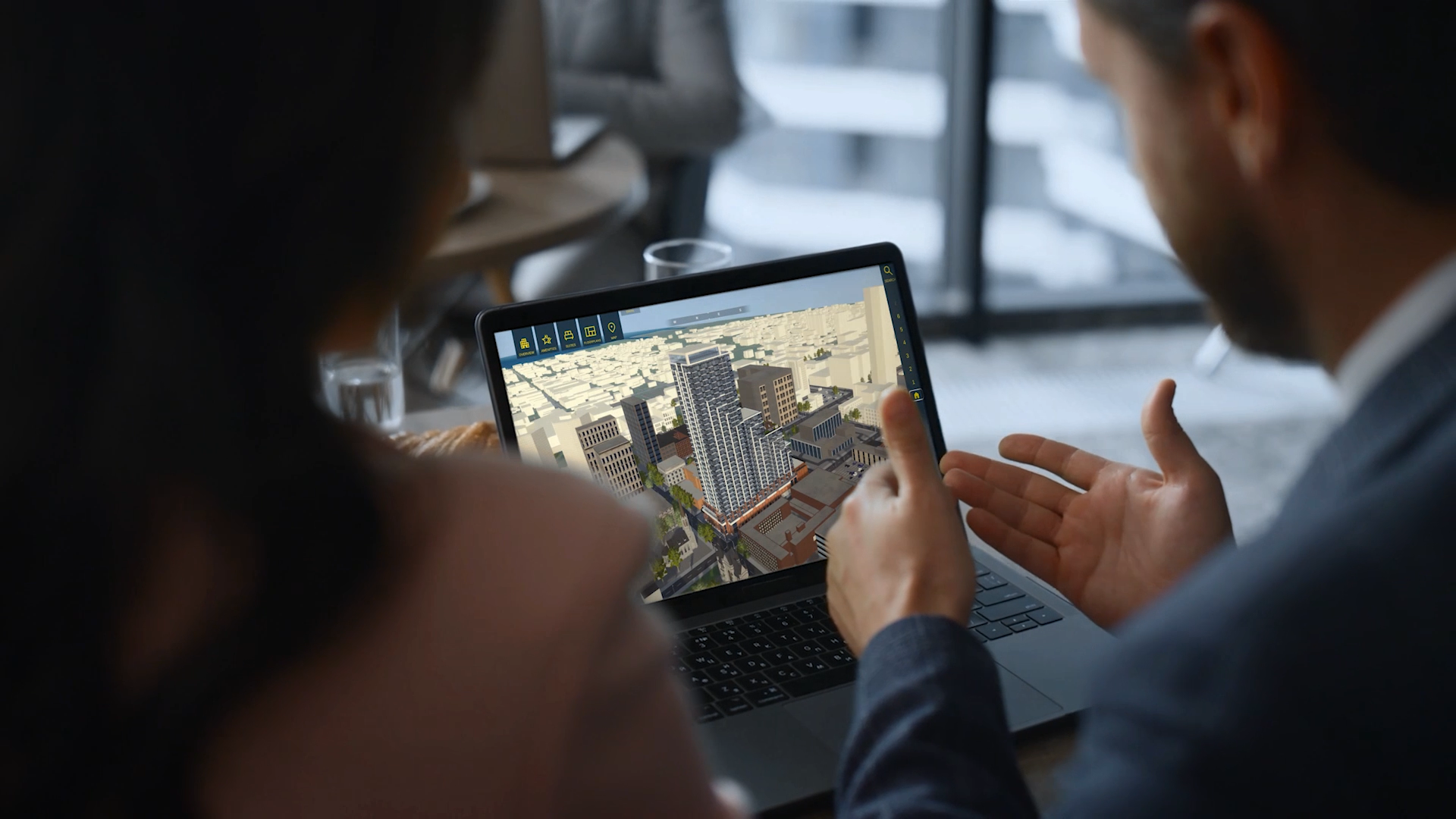
  • Interactive elements: Depending on the format, it can include interactive navigation, clickable links, videos, 3D panoramas, virtual tours, floor plans, maps, and other digital content.
  • Distribution channels: Digital property brochures are particularly useful for online sales and marketing. They can be sent through email and CRM campaigns, shared by sales representatives after an initial enquiry, embedded into a property website, or used during online presentations with potential buyers and investors.
  • Key advantage: Flexibility. Unlike printed materials, digital brochures can be updated when project information, availability, specifications, or other details change.
  • System integration: For larger developments, a web-based brochure can also connect the presentation with other digital sales tools, creating a more interactive experience and allowing teams to understand how users engage with the content.

PRINTED REAL ESTATE BROCHURE / COFFEE TABLE BOOK

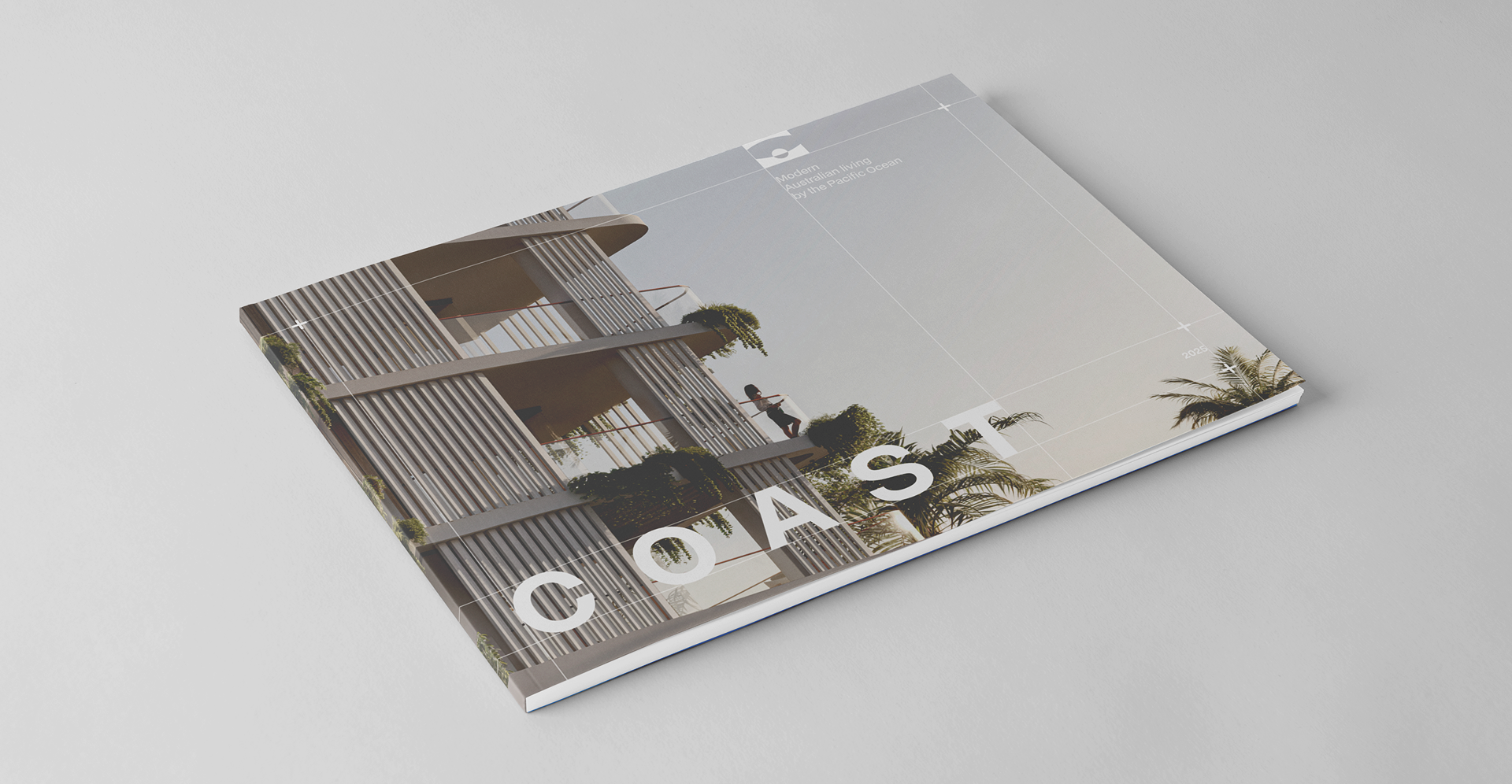
A printed real estate marketing brochure offers a completely different type of interaction with a property project. A premium brochure or coffee table book transforms the presentation into a physical object that can be explored, shared, and kept.
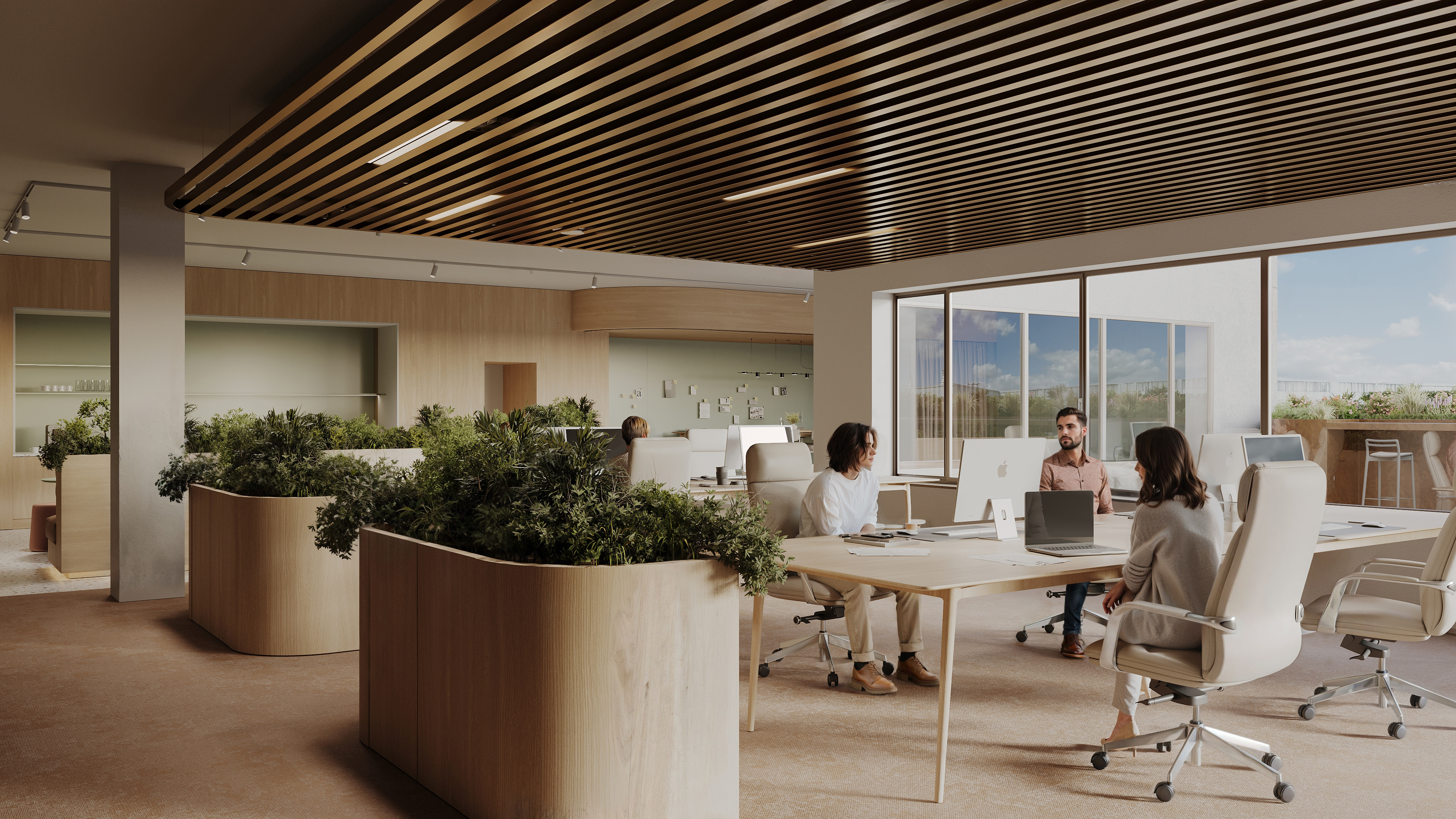
  • Primary touchpoints: Showrooms, sales offices, real estate agencies, investor meetings, industry events, or included in a premium welcome package for potential buyers or investors.
  • Tactile experience: Paper quality, format, binding, typography, image reproduction, and material finishes all contribute to how the project is perceived. For high-end developments, these details can reinforce the property's positioning and create a stronger sense of quality and exclusivity.
  • Long-term impact: A printed brochure has an advantage that a digital presentation does not: it can remain with the potential buyer after a meeting. The project can therefore continue to communicate its value even after the initial sales interaction.

WHAT’S INCLUDED IN THE FULL PACKAGE OF WORK?

Every project starts from a different point. Some clients already have architectural visualizations, floor plans, brand guidelines, and project information. Others need the entire real estate marketing presentation developed from scratch.

Our Full Package is designed to work in both situations. We can:

  • Take existing materials and turn them into a coherent presentation
  • Develop only the missing components
  • Create the complete set of real estate marketing materials from the ground up

The package is modular, so you can choose only the services your project needs or combine them into a complete end-to-end solution:

1. DISCOVERY & RESEARCH

This stage includes researching:

  • Location and surrounding context
  • Architectural concept
  • Target audience & competitors
  • The project's unique selling points
  • How the development relates to the city around it and what makes its particular location or proposition different

The research establishes the foundation for everything that follows: which aspects of the project should be emphasized, which visual stories need to be created, what information the buyer needs, and how the presentation should communicate the project's value.

2. NAMING, POSITIONING & COPYWRITING

We can develop the project's name, tagline, positioning, messaging, and tone of voice, then use this foundation to create the written content for the entire presentation, including:

  • Headlines & project descriptions
  • Amenity descriptions
  • Location narratives
  • Lifestyle copy
  • Calls to action

The goal is to make every part of the presentation communicate the same idea rather than turning it into a collection of disconnected texts.

3. 3D RENDERING & VISUAL PRODUCTION

Strong visuals are at the heart of modern real estate marketing. Depending on the project, visual production can include:

  • Architectural 3D visualization
  • 3D animation and cinematic films
  • 3D and 360° virtual tours
  • Creative reels for social media
  • Interactive 3D applications
  • Website visuals and digital assets

When these materials are created specifically for a marketing presentation, they are developed with the final layout in mind. Composition, lighting, camera angles, and framing can be planned around the brochure grid and the visual story of each spread. It creates a more coherent result than simply collecting existing renders and placing them into a template.

4. INFOGRAPHICS, MAPS & FLOOR PLANS

We transform complex technical information and materials into clean, easy-to-understand:

  • Floor plans (2D & 3D)
  • Location & area maps
  • Analytical diagrams
  • Technical infographics

These materials communicate the rational side of the property, from apartment layouts and site plans to location, amenities, circulation, and key project data. They work together with the visual storytelling: the renders create the emotional connection, while diagrams and plans provide the information needed to support the decision.

5. EDITORIAL DESIGN & FINAL PACKAGING

Once the content, visual assets, and overall presentation concept have been defined from the very beginning of the process, everything is then brought together and refined in the final stage of real estate brochure design, where all elements are unified into a single coherent system.

We structure the information using:

  • A consistent grid system
  • Clear visual hierarchy
  • Refined typography & imagery
  • Carefully controlled white space

The presentation follows a deliberate communication sequence: emotional engagement first, rational proof second, and a clear call to action last.
WHY ONE STUDIO INSTEAD OF MANY FREELANCERS?

When a real estate marketing project includes 3D visualization, copywriting, graphic design, infographics, maps, interactive applications, and a final presentation, it may seem logical to hire a different specialist for each task.

On paper, this can look more flexible and potentially cheaper. In practice, however, the cost of managing multiple contractors can quickly add up, not only financially, but also in time, communication, revisions, and coordination.

ONE TEAM, ONE CONTEXT

A freelancer may receive a clearly defined task, but they are usually working within a limited part of the project.

  • A copywriter may not have been involved in developing the visual concept.
  • A graphic designer may receive finished 3D renders without knowing why a particular camera angle was chosen.
  • A new 3D visualization artist may have to spend time understanding an existing visual language before producing something that actually fits.

This is how inconsistencies appear:

  • Visuals that do not match
  • Copy that does not reflect the project's positioning
  • Layouts that have to be redesigned because content was created without the final presentation in mind

With one studio managing the real estate marketing project from start to end, every specialist works within the same context. The visual team understands the presentation concept. The copywriter understands the positioning. The designers know how the renders will be used. Each new element is created with the rest of the project already in mind. And the result becomes a coherent real estate marketing system.

ONE POINT OF CONTACT

There is also a practical advantage: coordination. Instead of managing several separate contractors, deadlines, communication channels, invoices, and production schedules, the developer works with one team responsible for the overall process. One studio can:

  • Coordinate the overall timeline
  • Manage dependencies between different production stages
  • Collect feedback & handle revisions
  • Maintain quality across the entire project

It becomes especially important before a launch, when several deliverables need to be ready at the same time. You do not have to figure out which contractor is waiting for which file; the production team manages the process for you.

MORE CONSISTENCY, FEWER REVISIONS

A unified production process also makes iteration easier. When the same team works on the project over time, feedback does not have to be re-explained from the beginning every time a new material is requested. It makes it easier to:

  • Refine existing materials
  • Create additional assets
  • Adapt the presentation to new formats
  • Respond to changes in the project without rebuilding the entire process from scratch

And once the main deliverables are complete, the relationship does not necessarily have to end. The same studio can continue supporting the project with additional visuals, marketing materials, digital assets, or new versions of the presentation as the development progresses.
WHERE CAN A REAL ESTATE MARKETING BROCHURE BE USED?

We have already looked at the main formats of a real estate marketing brochure and the purpose of each one. The same core content can be adapted for different stages of the sales funnel and different audiences:
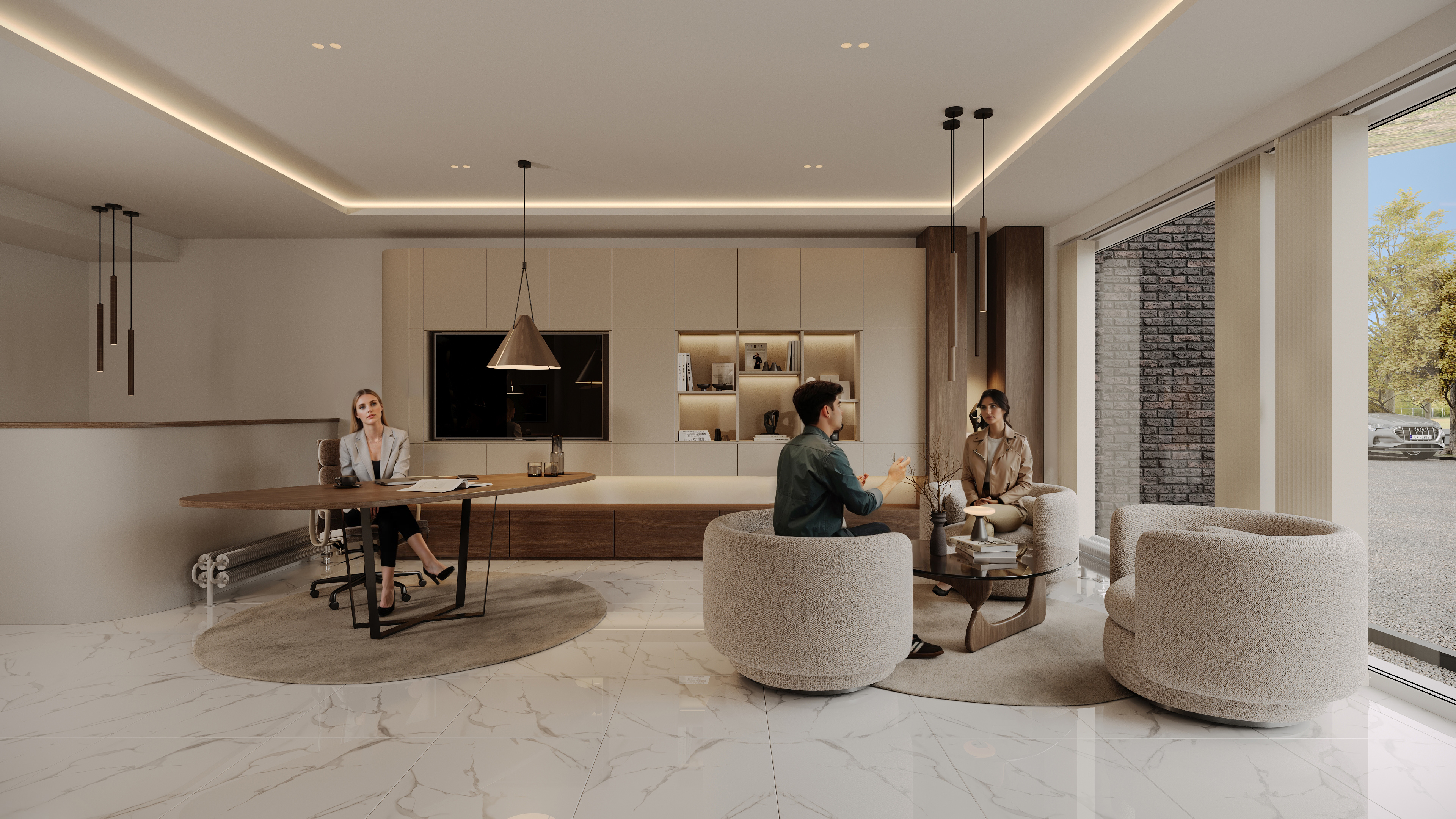
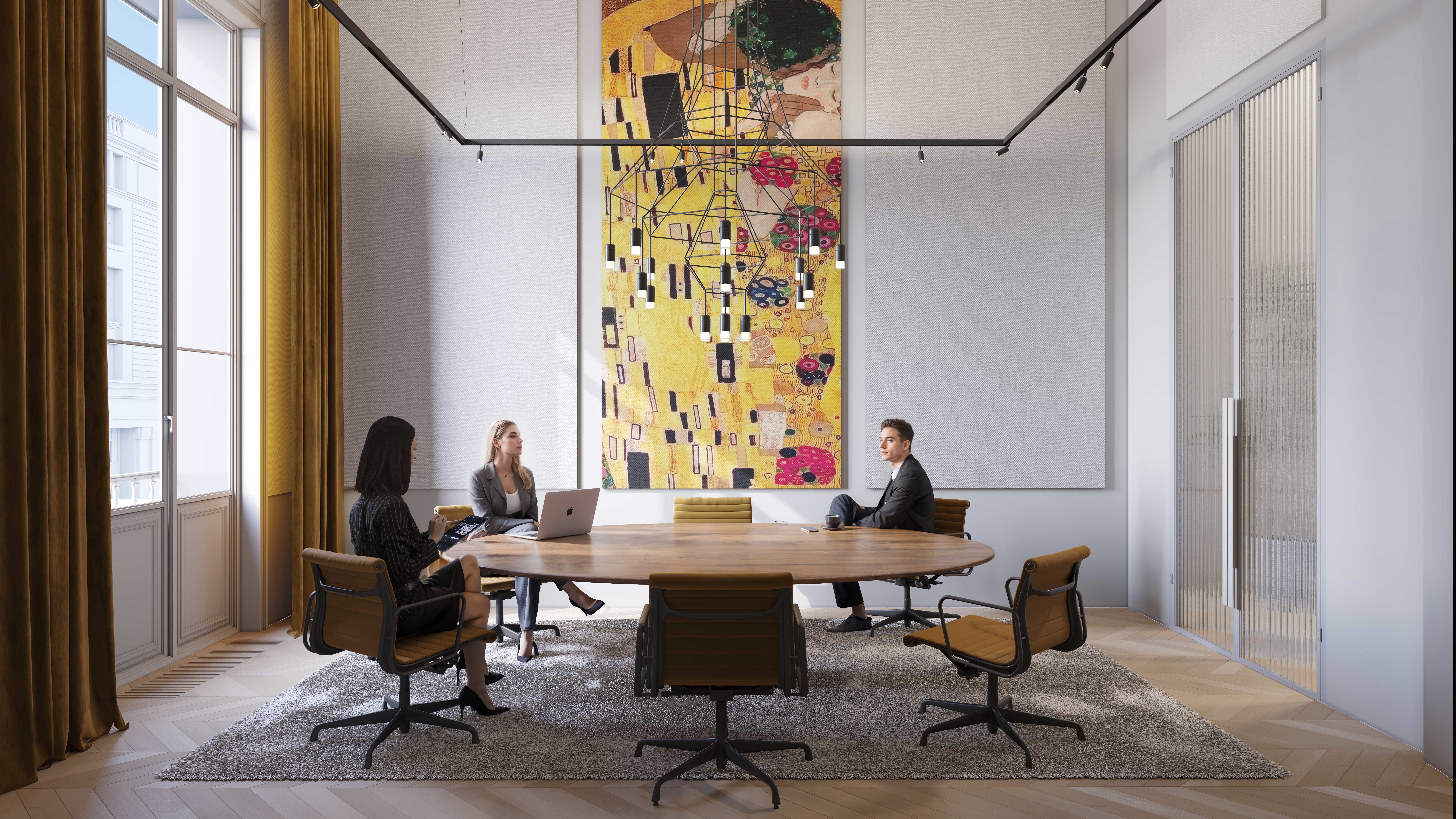
  • Sales Showrooms & Sales Offices: A printed brochure or coffee table book can become a practical sales tool for the team working directly with potential buyers. It keeps key project information in one place (architectural concepts, amenities, floor plans, specifications, location, lifestyle features). Sales representatives can use it during a property walkthrough or meeting, while visitors can explore the project at their own pace. A potential buyer can pick up the brochure, browse through pages, compare layouts, and take in the project as a complete living story.
  • Investor Pitches & Private Meetings: An investor presentation requires a different approach to content and information hierarchy. Instead of focusing primarily on lifestyle and emotional appeal, it may include market analysis, development strategy, financial projections, investment structure, developer track record, risk factors, and project timelines. Delivered digitally or as a printed pitch book.
  • CRM Outreach & First-Touch Leads: A lightweight digital real estate brochure can be automatically sent after a potential buyer submits a form on the project website. Its role is to introduce the project, communicate main advantages, answer first questions, and create interest to continue the conversation. Used in follow-up emails, targeted campaigns, and CRM workflows.
  • Broker & Partner Networks: A standardized broker presentation or digital broker pack gives external sales teams ready-to-use materials: project overview, key selling points, floor plans, renders, amenities, location information, specifications, and contact details. This ensures consistent communication across external agencies.
  • Website & Digital Sales Channels: Content created for a brochure becomes the foundation for a project website or landing page. All important materials can be adapted into web-based presentations, creating visual and textual consistency across the website, CRM, social media, and sales materials.
  • Construction Hoardings & Outdoor Advertising: Key visuals, short messages, project information, and QR codes can be adapted for construction site hoardings, banners, and outdoor advertising. A passer-by discovers the project offline and immediately scans a QR code to access the digital brochure or website.

HOW DOES A REAL ESTATE MARKETING BROCHURE HELP SELL AN OFF-PLAN PROJECT?

In off-plan real estate marketing, the developer is selling a property that does not exist yet. A real estate marketing brochure becomes one of the closest experiences a potential buyer can have before the project is built.

It works on two levels at once:

  • Emotionally: Atmospheric 3D visualizations and lifestyle storytelling help buyers imagine themselves living, working, or spending time in the future development.
  • Rationally: Clear floor plans, infrastructure maps, specifications, amenities, and location information answer practical questions and reduce uncertainty around the purchase.

For commercial properties, the brochure can go further, communicating critical decision factors:

  • Usable-space efficiency
  • Total & floor-by-floor area
  • Accessibility & logistics
  • Infrastructure & surrounding services
  • Foot-traffic data

There is also an important operational benefit: a well-structured real estate sales presentation standardizes the sales conversation, giving sales teams a clear framework to follow. This helps ensure that important information is not missed and makes it easier for new sales representatives to understand the project and start working with clients.
DOES A REAL ESTATE MARKETING BROCHURE CHANGE BY PROPERTY TYPE?

We have already covered how a real estate marketing presentation works, how it interacts with sales, and how it can support different business goals. At the end, let’s turn our attention to the project itself.

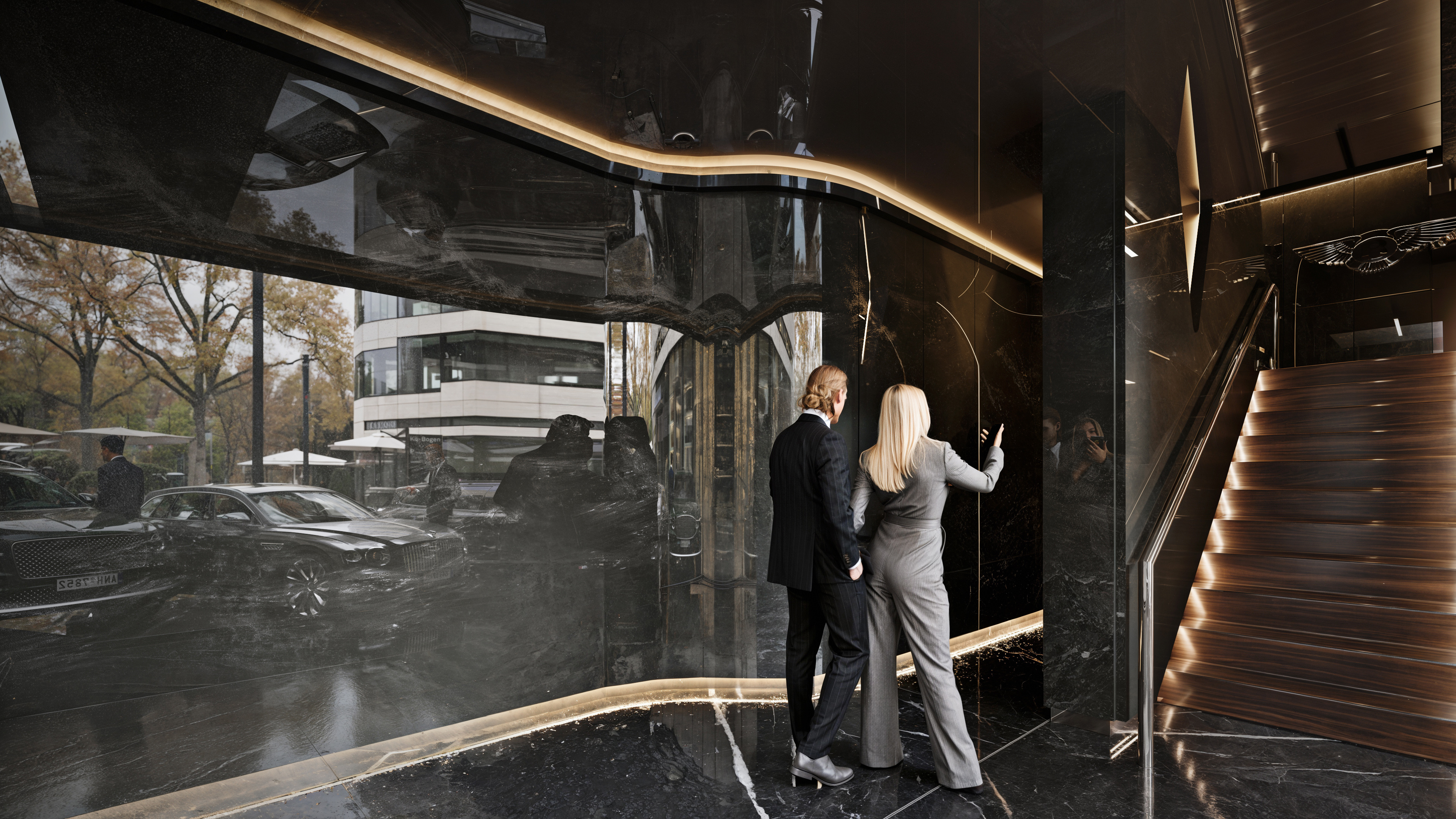
The presentation needs to capture what makes it distinctive — its brand and personality: understand the specific qualities of the site, the local context, the future residents, and the lifestyle the object is designed to offer. It is important that the information about the project does not feel like a generic template, but reflects its unique identity. Depending on the type of place, the presentation takes different forms:
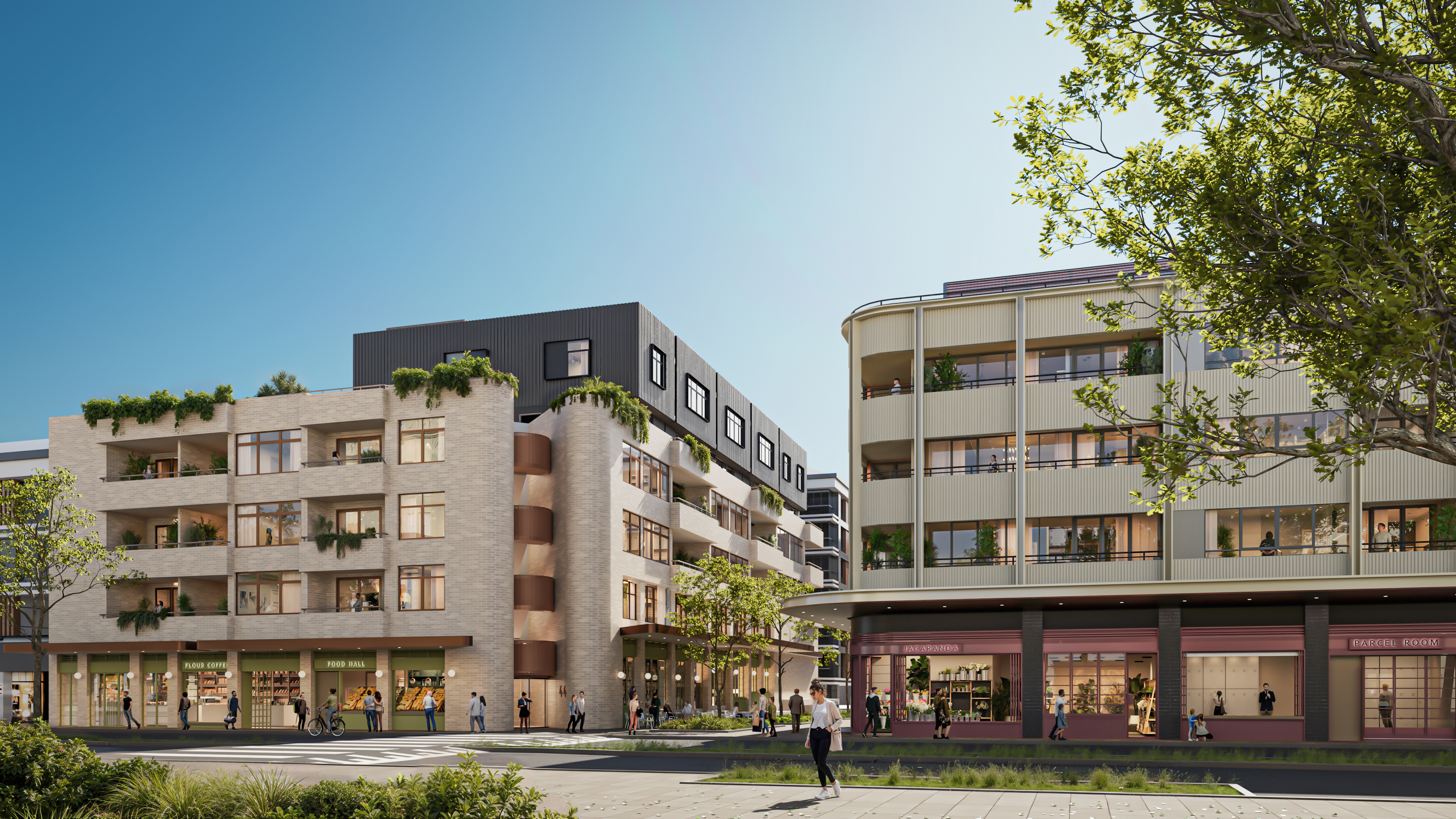
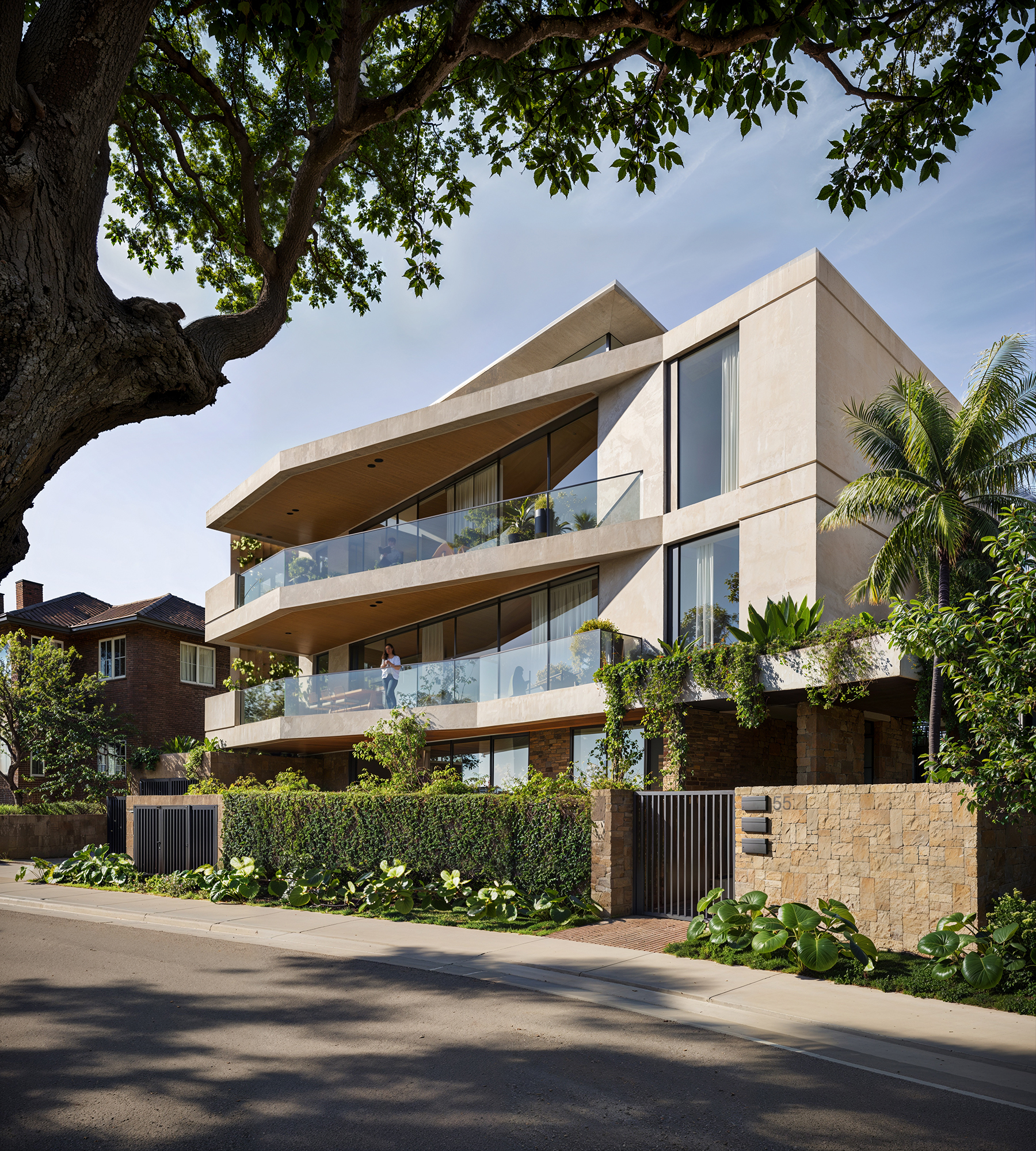
  • Residential / Multifamily: Focuses on lifestyle — apartment layouts, amenities, courtyards, security, playgrounds, schools, and everyday comfort.
  • Hospitality: Focuses on guest experience and investment potential — rooms, SPA, restaurants, services, operator model, and projected returns.
  • Mixed-Use: Presents the development as a “city within a city,” explaining the relationship between residential, office, retail, hospitality, and public spaces.
  • Commercial & Office: Emphasizes business value — floor efficiency, flexibility, infrastructure, engineering systems, sustainability, and BREEAM or LEED certifications.
  • Masterplan Communities: Focuses on long-term value — development phases, transportation networks, public spaces, infrastructure, and community development.
No items found.
No items found.

CASE STUDY

We have tried to explore this service in detail because we believe that when all elements are developed as one connected system, the process can be both highly coordinated and remarkably effective. Of course, the best way to show what this can look like in practice is through a real project. Below, we are sharing one of our examples.

🔗 [Coast Residence brochure link] — View the full version of the real estate marketing presentation.

COAST RESIDENCE

Coast Residence is a residential development in Wollongong, Australia, and one of the most comprehensive projects we have worked on. It brought together six services in one integrated process:

  1. Exterior 3D Rendering
  2. Interior 3D Rendering
  3. 3D Animation
  4. 360° Tour
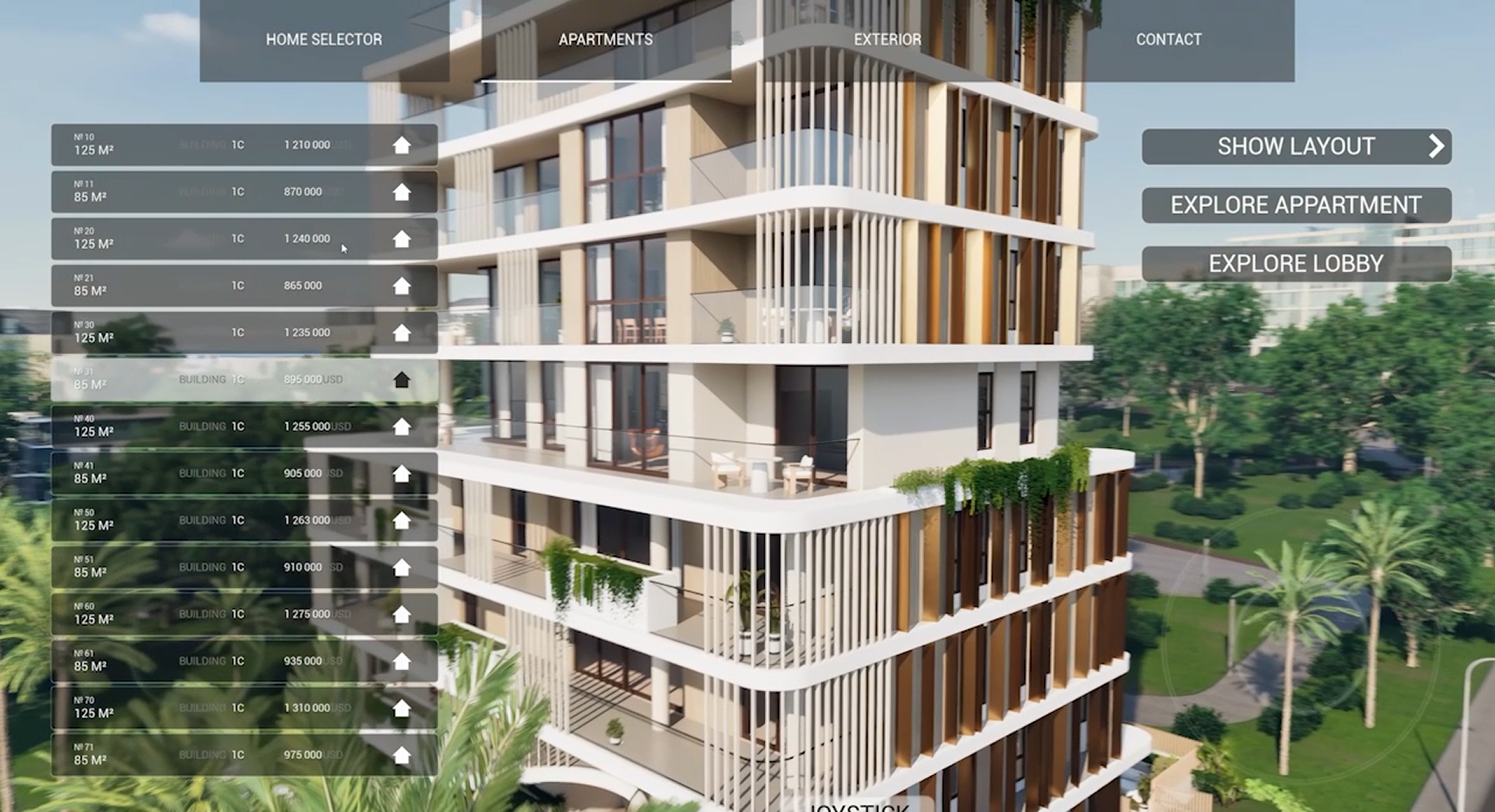
  5. Home Selector App
  6. Project Brochure

Located on Australia's east coast, Coast Residence is shaped by its connection to the ocean. The project sits within a city where beaches, green spaces, and everyday amenities are woven into daily life, creating a balance between urban convenience and a slower coastal rhythm. At the same time, Sydney is just an hour away, keeping residents connected to one of Australia's largest economic and cultural centres.

The project was designed to feel connected to this environment:
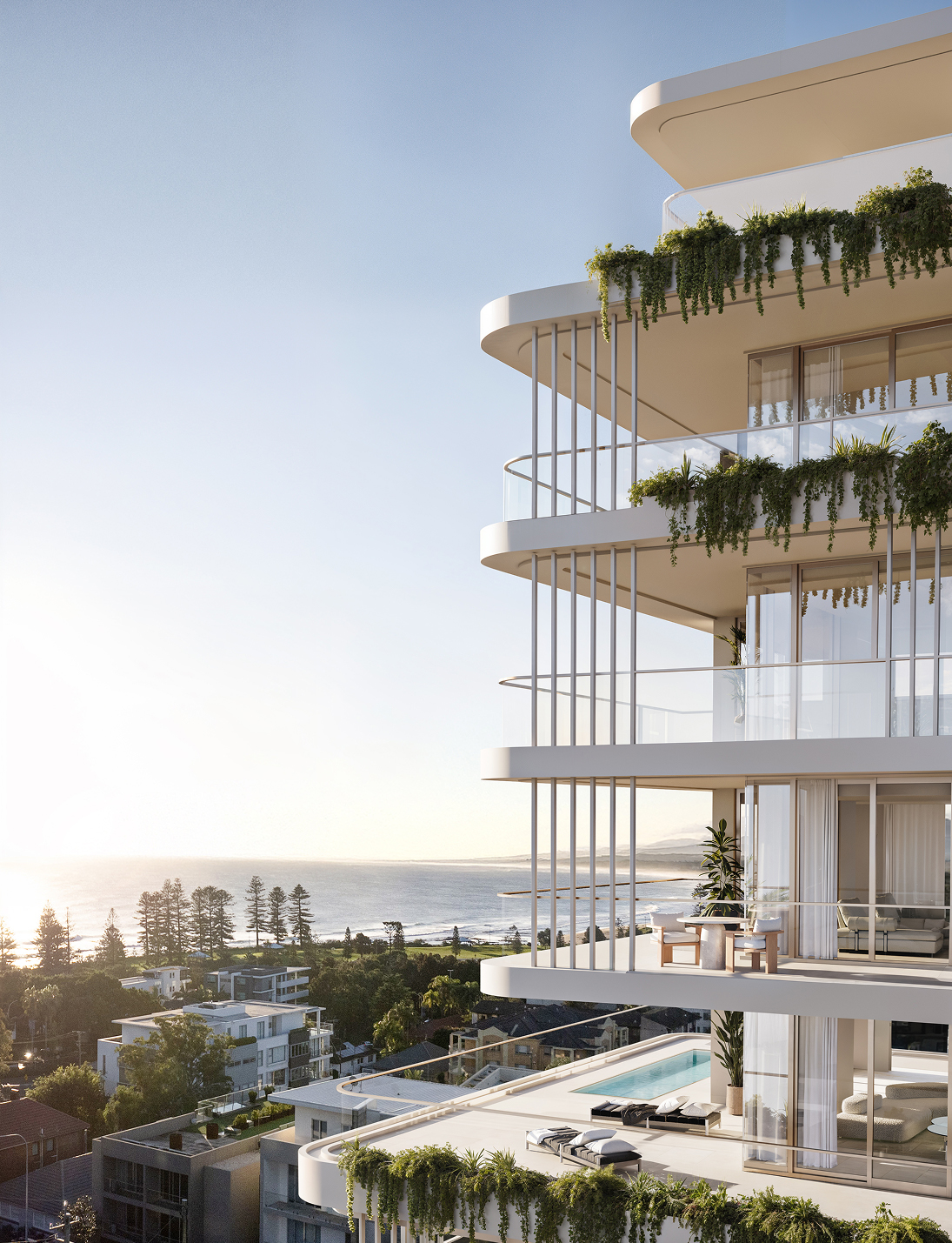
  • The colours and materials reflect the tones of the coastline.
  • Large windows bring daylight and ocean views into everyday life.
  • Sun-shading screens help create a comfortable indoor environment.
  • Generous terraces extend the living spaces toward the surrounding landscape.

These qualities became an important part of the project's real estate marketing presentation. The visual and editorial materials communicate a particular way of living, one that is contemporary, coastal, comfortable, and closely connected to its surroundings. Coast Residence is a good example of how multiple real estate marketing services can work together. The individual deliverables support one another, creating a consistent visual and marketing language across the entire project.

The same approach can be adapted to projects of different scales, types, and stages, whether you already have some of the materials or need the entire marketing package developed from scratch.

Have a project in development? Let’s build the story around it.

Read more articles

Building
Meaningful
Partnerships

We craft high-end architectural 3D visualizations that sell.
Want a quote or have a project in mind?Leave your details — we'll get in touch within one business day.
Thank you! Your submission has been received!
Oops! Something went wrong while submitting the form.
close